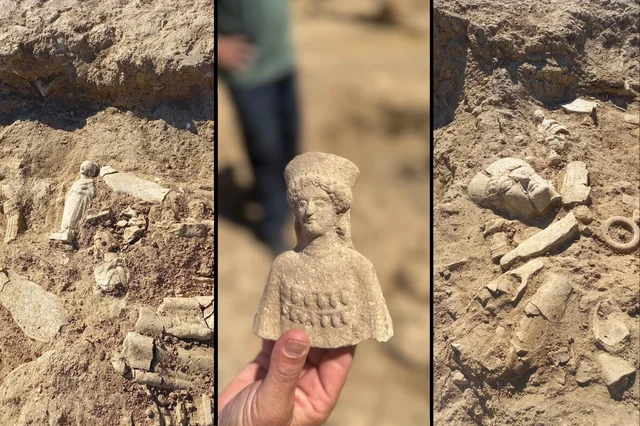
Archaeologists excavating the ancient Greek city of Agrigento in Sicily have uncovered an extraordinary ritual deposit dating back more than 2,400 years. The discovery offers new insight into how the city’s inhabitants responded to one of the darkest moments in their history following the devastating Carthaginian invasion of 406 BC.
The carefully arranged deposit, uncovered near the famous Valley of the Temples, contained more than 60 artifacts alongside human skeletal remains. Researchers believe the objects were intentionally buried as part of a ceremonial act performed after the city’s destruction, providing rare evidence of religious traditions, mourning rituals, and the efforts of survivors to rebuild their community.
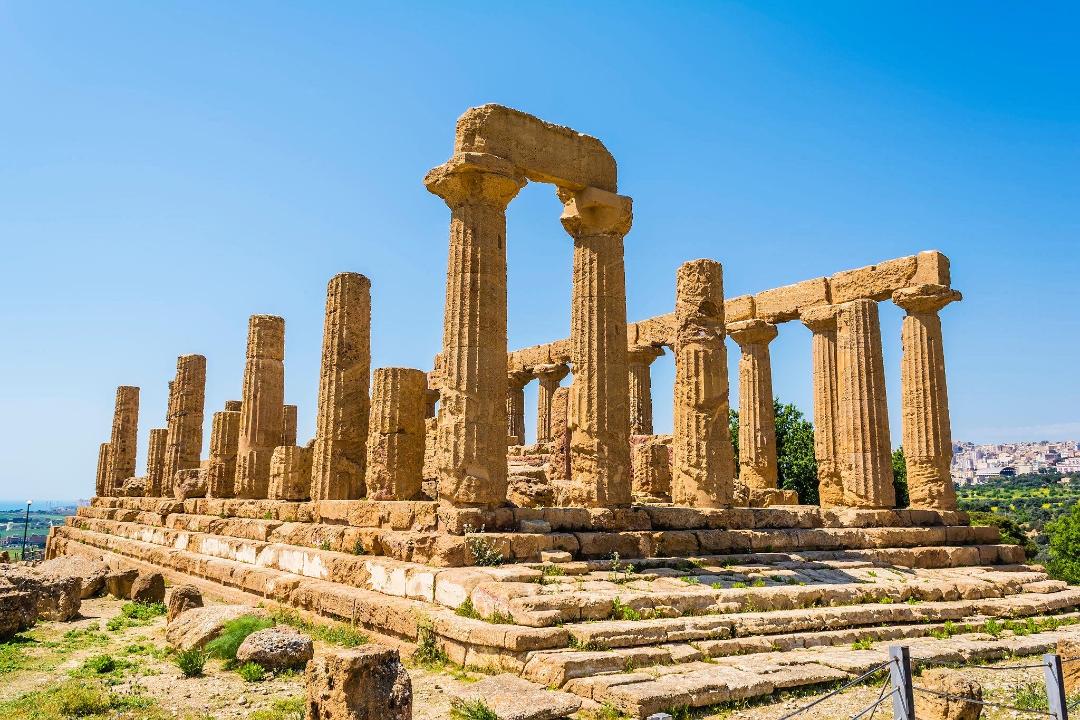
Today, the Valley of the Temples ranks among Italy’s most visited archaeological attractions and stands as one of the finest surviving examples of ancient Greek civilization outside modern-day Greece.
Credit: Museo Archeologico Regionale Paolo Orsi, Syracuse
A Remarkable Archaeological Discovery
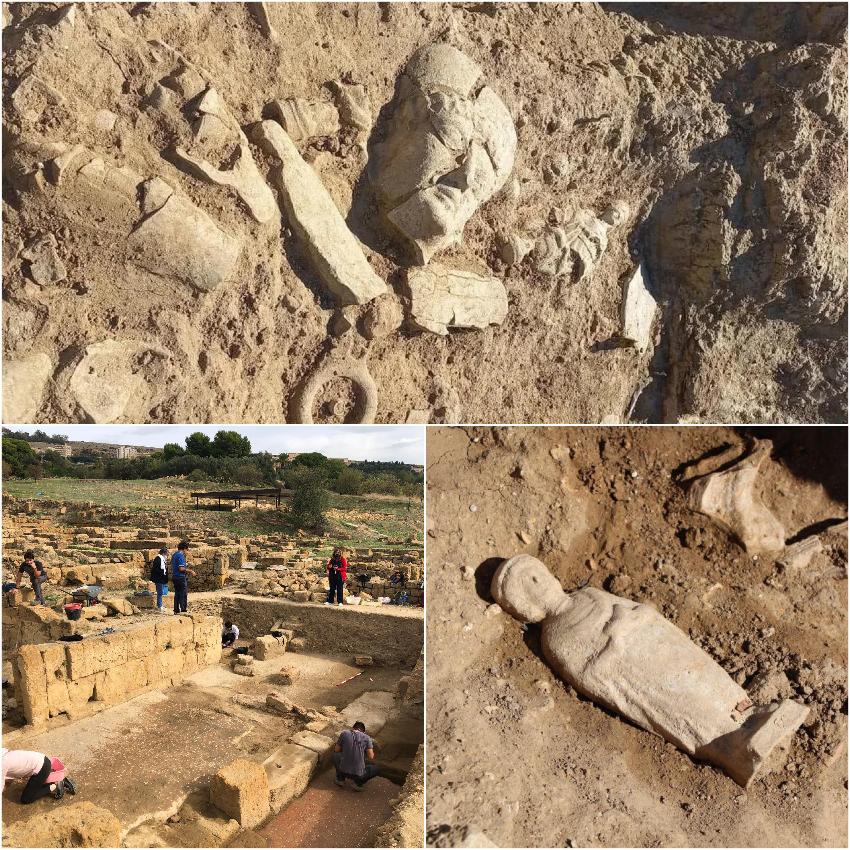
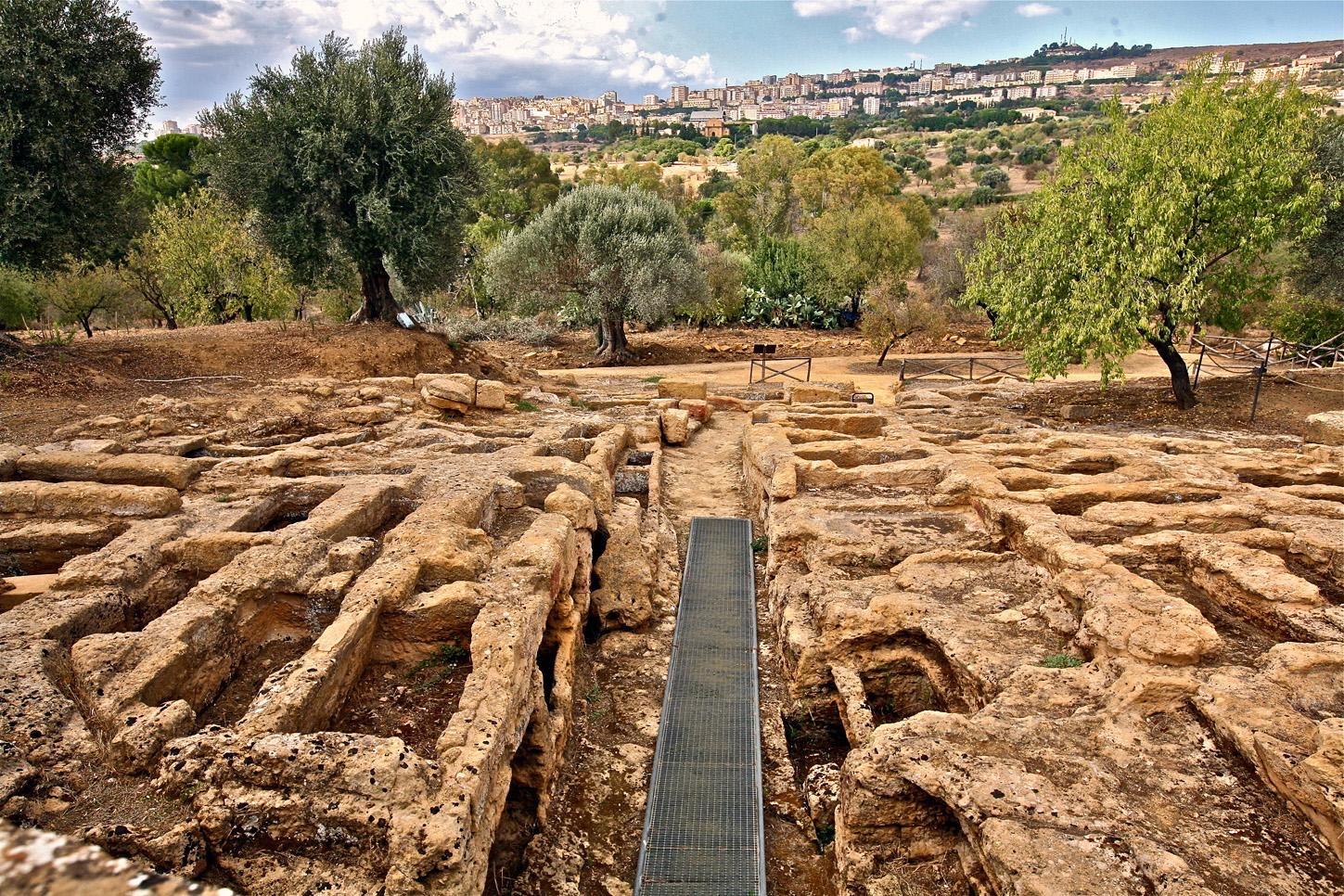
The find was made inside House VIIb, located north of the Temple of Juno within the archaeological park of Agrigento. This UNESCO World Heritage Site is one of the best-preserved collections of ancient Greek architecture outside mainland Greece and continues to reveal important clues about life in the ancient Mediterranean.
Among the objects recovered were:
• Terracotta figurines
• Female busts
• Decorative protomes
• Oil lamps
• Ceramic vessels
• Bronze fragments
• Human bones
Each artifact contributes valuable information about the religious beliefs and daily life of the people who once lived in Akragas, the ancient name of Agrigento.
The Rise and Fall of Akragas
Founded during the 6th century BC by Greek settlers, Akragas quickly became one of the wealthiest and most influential cities in Magna Graecia. Its fertile land, thriving trade, and impressive public buildings made it a center of culture, politics, and religion.
Ancient historians described the city as one of the most prosperous in the Greek world. Monumental temples, elaborate sanctuaries, and luxurious homes reflected the city’s remarkable wealth and influence.
However, this period of prosperity came to a dramatic end in 406 BC when Carthaginian forces attacked and captured the city after a lengthy siege. Historical accounts describe widespread destruction, fires, and significant loss of life. Archaeological excavations have repeatedly confirmed these events through layers of burned buildings and collapsed structures found across the site.
Credit: Mark Cartwright / World History Encyclopedia
A Carefully Planned Ritual
What makes the newly discovered deposit particularly significant is the way it was assembled.
Rather than being scattered randomly, the objects were deliberately placed together inside a specially prepared pit directly above the destruction layer left by the Carthaginian assault.
According to archaeologists, this strongly suggests the deposit was created as part of a formal ritual rather than as a simple disposal site for damaged objects.
After the city was devastated, survivors likely returned to clear the ruins. During this process, they collected sacred objects damaged by the invasion as well as human remains left among the collapsed buildings. Instead of discarding them, they buried everything together in a respectful ceremony.
Respect for Sacred Objects
Religious practices in the ancient Greek world often required damaged sacred objects to be treated with great care.
Items that had been used in temples or religious ceremonies could not simply be thrown away. Instead, they were frequently buried in specially designated locations, ensuring they remained protected even after they were no longer suitable for ritual use.
The newly discovered deposit appears to follow this long-established tradition, making it an important example of ancient Greek religious customs in practice.
Credit: Archivio Regionale Siciliano / Parco Archeologico della Neapolis
Human Remains Add Another Layer of Meaning
One of the most moving aspects of the discovery is the presence of human skeletal remains mixed with the ritual objects.
Researchers believe these bones may belong to victims of the Carthaginian attack. As survivors returned to rebuild the city, they may have recovered the remains from destroyed homes and public spaces before giving them a respectful burial alongside sacred artifacts.
Anthropologists are now conducting detailed examinations of the bones to determine the age, sex, health, and possible causes of death of the individuals represented in the deposit.
These studies may help reconstruct the human story behind one of Sicily’s best-known historical tragedies.
More Than an Archaeological Find
Many archaeological discoveries reveal how ancient civilizations built cities, traded goods, or fought wars. This discovery, however, offers something far more personal.
It provides evidence of how ordinary people responded to unimaginable loss.
The ritual deposit reflects a community attempting to restore dignity after violence, preserve its religious traditions, and honor those who had died. It reminds us that even in times of destruction, ancient societies sought comfort through ceremony and shared beliefs.
Separating History from Speculation
Since news of the discovery was published, various online articles have suggested the deposit could be evidence of mysterious catastrophes or even forgotten civilizations.
However, archaeologists emphasize that the available evidence does not support these claims.
The deposit fits well within the historical timeline of the documented Carthaginian destruction of Akragas in 406 BC. Both archaeological evidence and ancient historical sources point to the same conclusion: the burial was most likely part of the city’s recovery following a well-known historical event.
Rather than rewriting history, the discovery enriches our understanding of how people experienced and responded to one of the most traumatic episodes in the city’s past.
Continuing Research
Excavations at Agrigento continue to uncover new information about one of the Mediterranean’s most important ancient cities. Scientists will now analyze the artifacts using modern conservation techniques and laboratory testing to learn more about their age, origin, and use.
Further studies may also reveal additional details about the ritual itself, helping historians better understand how ancient communities dealt with war, loss, and recovery.
As research progresses, discoveries like this continue to demonstrate that archaeology is not only about monuments and treasures. It is also about the people behind them—their beliefs, their traditions, and their resilience in the face of extraordinary challenges.
This article is based on archaeological research conducted by the University of Bologna and collaborating institutions, along with reports from scientific and archaeological media.
Written by Hidden Civilizations Editorial Team