Archaeologists in Germany have uncovered an exceptionally well-preserved Iron Age structure hidden beneath the modern city of Aschaffenburg, offering a rare glimpse into life more than 2,300 years ago. The discovery, made during routine infrastructure work, is being described as one of the most significant archaeological finds in the region in recent years.
The ancient structure was found approximately eight metres below the present-day surface during excavation for a stormwater management project. What initially appeared to be ordinary wooden remains soon turned out to be something far more remarkable. Archaeologists identified massive oak beams and carefully constructed stonework dating back to the 4th century BCE, during the Early La Tène period of Celtic history.
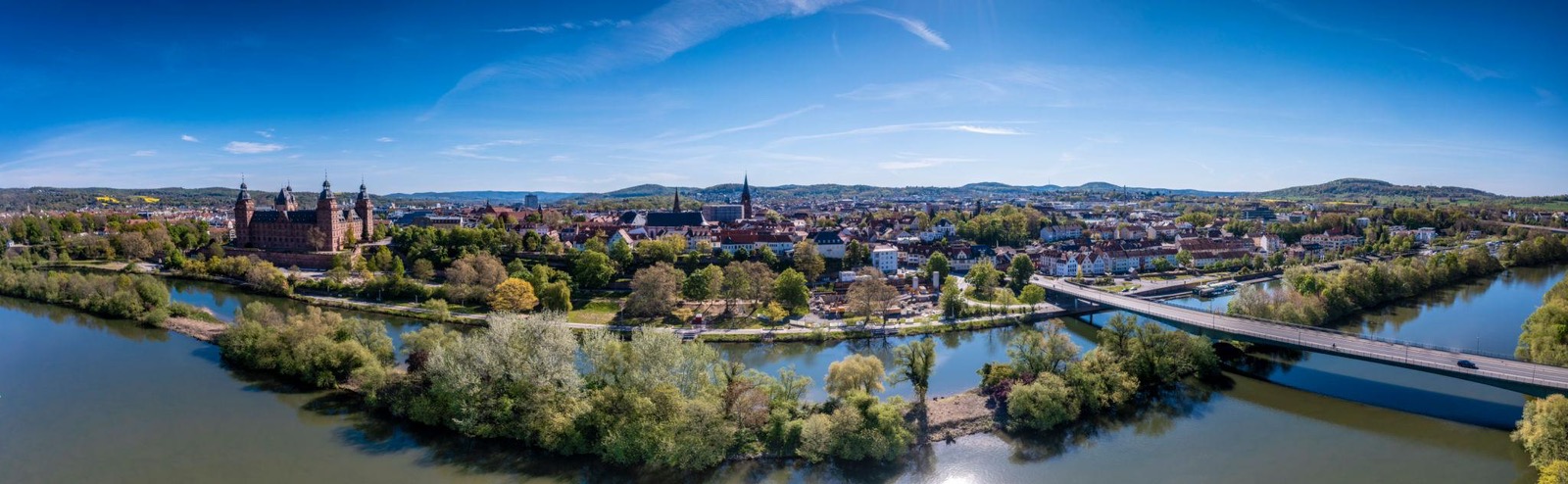
Credit: Stadt Aschaffenburg
Experts say the find is particularly important because wooden structures from the Iron Age rarely survive. Over time, wood normally decays due to exposure to oxygen, moisture, and microorganisms. However, in this case, the waterlogged soil created ideal preservation conditions, allowing large sections of the original timber construction to remain intact for more than two millennia.
A Discovery Made by Chance
The excavation was never intended to uncover an archaeological site. Construction crews were carrying out work on a modern drainage system when unusual wooden elements were discovered deep underground. Archaeologists were quickly called to examine the remains, and it soon became clear that the site represented a significant piece of ancient history.
The discovery highlights how many archaeological treasures remain hidden beneath modern cities. Across Europe, infrastructure projects frequently reveal forgotten settlements, roads, cemeteries, and buildings that have remained untouched for centuries.
In this case, the depth of the structure and the excellent state of preservation immediately attracted the attention of specialists, who began carefully documenting every element before continuing with further excavation.
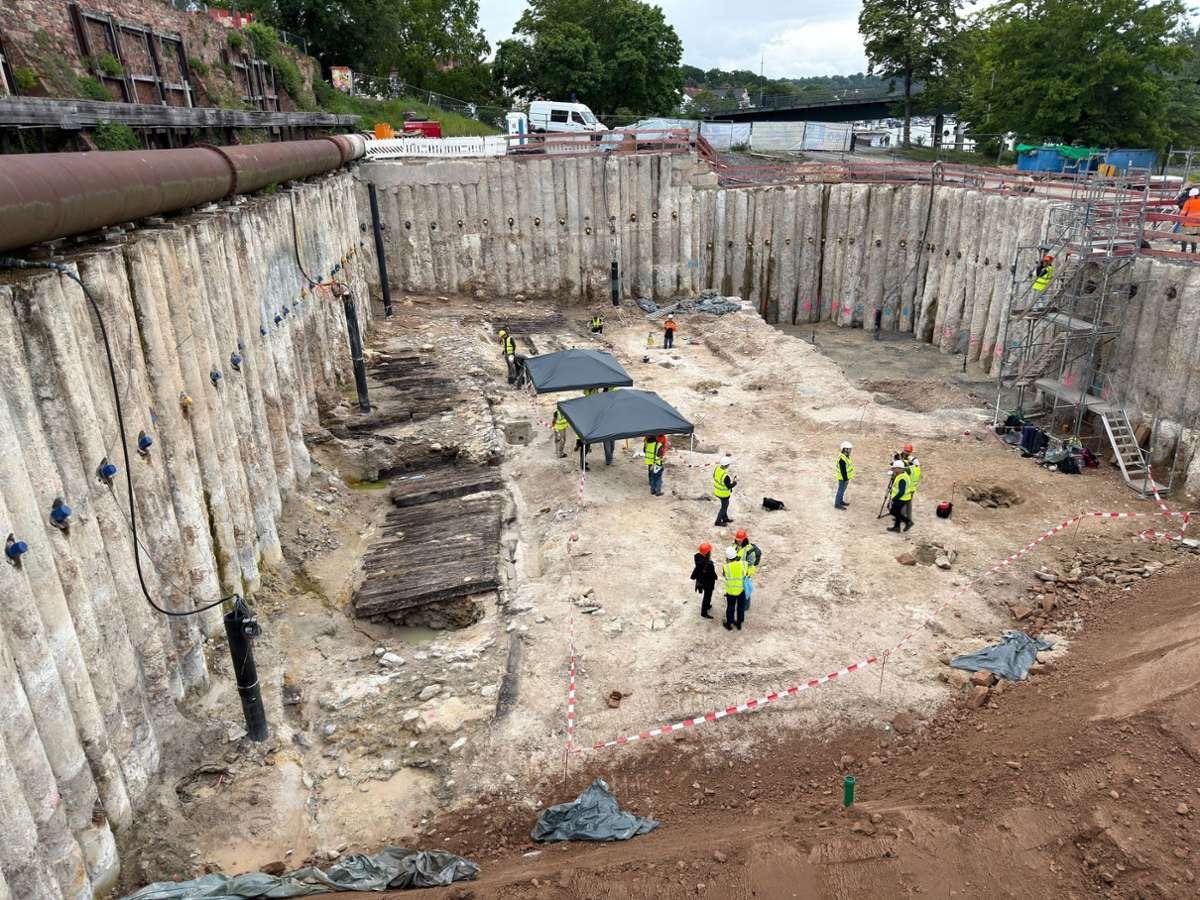
Credit: Wolfgang Maier / Stadt Aschaffenburg
Dating the Ancient Structure
To determine the age of the construction, researchers used dendrochronology, a scientific dating method based on analysing tree rings. This technique allows experts to establish the exact period when trees were felled for construction.
The analysis showed that the oak trees used in the structure were cut down during the 4th century BCE, placing the site firmly within the Early La Tène culture. This period represents one of the most influential phases of Celtic civilisation across Central Europe.
The La Tène culture is known for its advanced metalworking, artistic craftsmanship, expanding trade networks, and increasingly complex settlements. While many surviving archaeological sites from this period contain pottery, jewellery, or weapons, well-preserved wooden architecture is extremely uncommon.
An Unusual Construction Technique
One of the most fascinating aspects of the discovery is the building method itself.
Archaeologists uncovered massive oak beams combined with a dry-stone wall built without mortar. According to researchers, this combination is rarely seen in Iron Age Bavaria and may indicate that the structure served a special purpose.
The size of the wooden beams suggests that experienced builders carefully selected mature oak trees, transported them to the site, and assembled them using advanced construction techniques. Such a project would have required careful planning, skilled labour, and access to considerable resources.
The discovery also demonstrates that Celtic communities possessed sophisticated engineering knowledge long before the Roman Empire expanded into the region.
What Was the Structure Used For?
Although archaeologists have successfully dated the construction, its original purpose remains uncertain.
One leading theory is that it formed part of a riverside harbour or landing platform along the Main River. During the Iron Age, rivers were the primary transportation routes, allowing goods, people, and raw materials to move efficiently across long distances.
If this interpretation is correct, the structure may have played a key role in regional trade, connecting local communities with other Celtic settlements throughout Central Europe.
Another possibility is that the building had a defensive function. The combination of timber and stone may have strengthened riverbanks or protected an important settlement from flooding or potential attacks.
Some researchers have also suggested that the structure could have served administrative or ceremonial purposes, although there is currently insufficient evidence to confirm any of these theories.
Further excavation and analysis will be required before archaeologists can determine the building’s exact role.
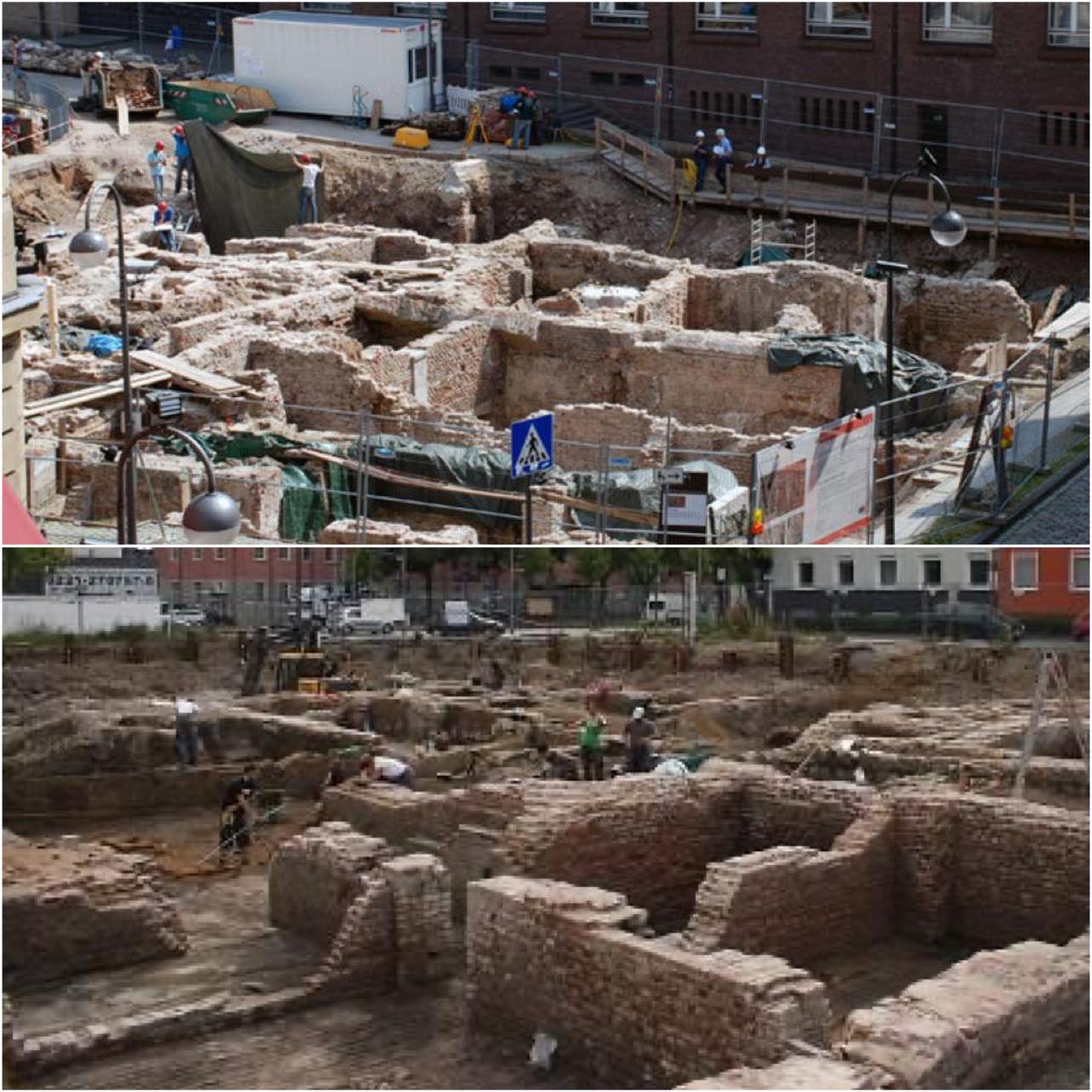
Credit: Raimond Spekking / CC BY-SA 4.0 (Wikimedia Commons)
Evidence of an Important Celtic Settlement
The latest discovery is not the first indication that Aschaffenburg was an important location during the Iron Age.
Previous archaeological excavations in the area uncovered valuable artefacts, including gold jewellery, decorative brooches, ceramics, and metal objects associated with Celtic culture. These finds suggested that the region supported a prosperous community with access to long-distance trade.
The newly discovered structure strengthens the idea that Aschaffenburg may have been a significant regional centre rather than a small rural settlement.
Its location along the Main River would have provided ideal access to transportation routes linking different parts of Central Europe, making it an attractive place for commerce, communication, and cultural exchange.
Why Preserved Wooden Structures Are So Rare
Unlike stone buildings, wooden constructions rarely survive for thousands of years.
Wood naturally decomposes when exposed to oxygen, fungi, bacteria, and insects. As a result, most wooden buildings from prehistoric Europe have disappeared completely, leaving archaeologists to reconstruct ancient architecture using post holes or scattered fragments.
Only under exceptional environmental conditions—such as waterlogged soils, peat bogs, or permanently wet sediments—can wooden materials remain preserved for centuries or even millennia.
Because of this, discoveries like the one in Aschaffenburg provide researchers with invaluable opportunities to study ancient construction methods directly rather than relying on indirect evidence.
Every preserved beam contains information about woodworking techniques, tool marks, forest management, and the organisation of Iron Age communities.
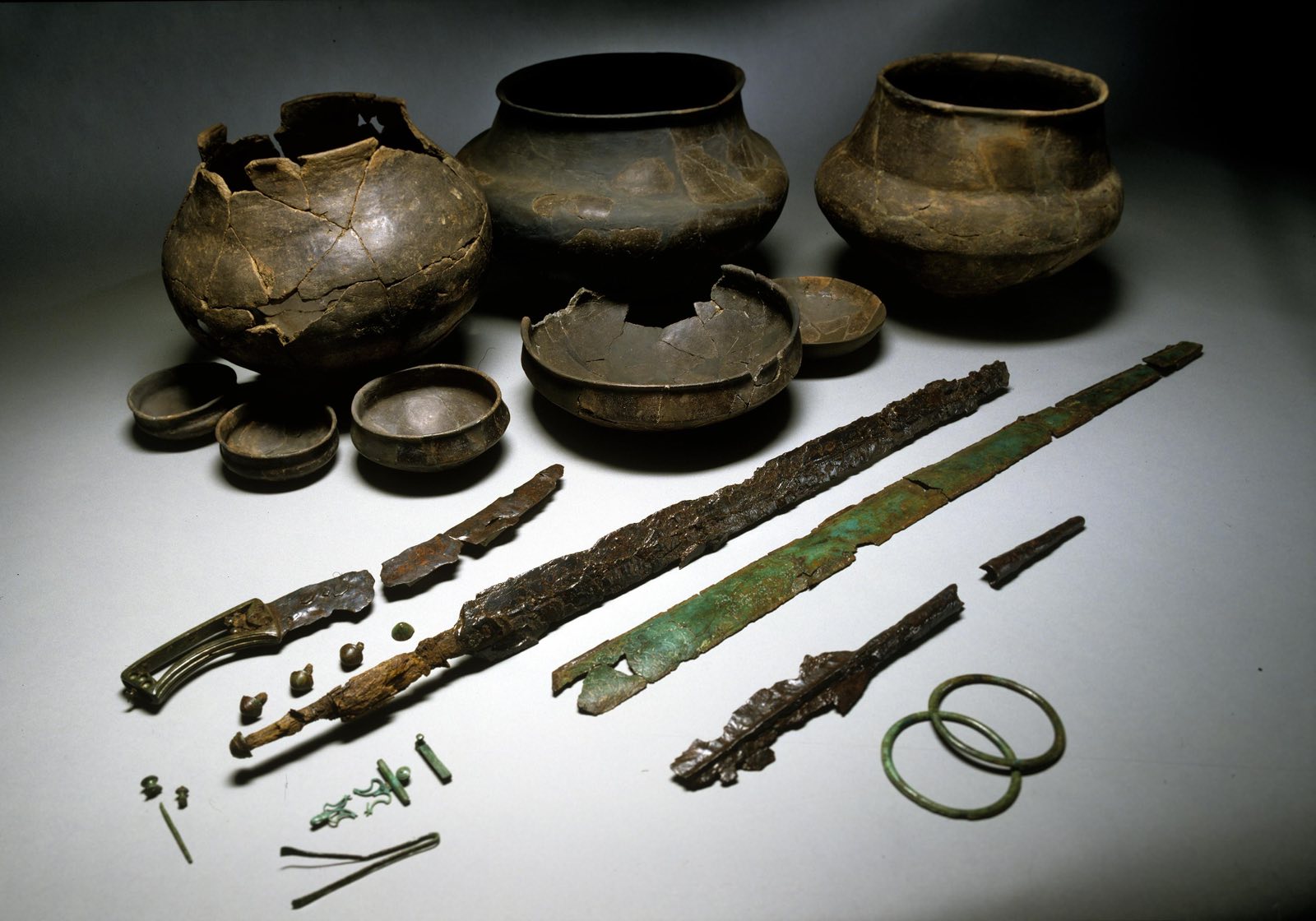
Credit: Raimond Spekking / CC BY-SA 4.0 (Wikimedia Commons)
What Researchers Hope to Learn
Archaeologists believe the site still has much to reveal.
Future excavations may uncover additional sections of the structure or even nearby buildings connected to the same settlement. Researchers also hope to recover pottery, animal bones, seeds, tools, and other everyday objects that could provide insight into the lives of the people who lived there.
Such discoveries could help answer important questions about diet, trade, agriculture, craftsmanship, and social organisation during the Early La Tène period.
The preserved timber may also reveal details about how Iron Age builders selected construction materials, transported heavy logs, and assembled large-scale engineering projects without modern technology.
Continuing Research
Excavation work at the site is still ongoing, and archaeologists expect further discoveries in the coming months.
Each newly uncovered feature will contribute to a more complete understanding of the settlement and its role within the broader Celtic world. As research progresses, specialists hope to determine whether the structure formed part of a harbour, a defensive installation, a public building, or another type of important infrastructure.
The discovery serves as a reminder that many chapters of Europe’s ancient past remain buried beneath modern cities, waiting to be uncovered through careful archaeological investigation.
With its exceptional preservation, impressive engineering, and historical significance, the Aschaffenburg site is expected to become an important focus of archaeological research for years to come. As scientists continue their work, this remarkable discovery may provide valuable new insights into the daily life, technology, and achievements of the Celtic communities that flourished in Central Europe more than 23 centuries ago.
This article is based on reporting by Archaeology News Online Magazine and information released by the Bavarian State Office for Monument Preservation (Bayerisches Landesamt für Denkmalpflege, BLfD) regarding the discovery and ongoing archaeological investigation of the Iron Age riverside structure in Aschaffenburg, Germany.
Written by Hidden Civilizations Editorial Team