A remarkable archaeological discovery in southern Norway is changing the way scientists understand prehistoric communities. New research suggests that hunter-gatherers living more than 7,000 years ago deliberately transported trout into remote mountain lakes, creating reliable food sources that continued to support people for generations.
The findings challenge the long-held belief that prehistoric hunter-gatherers simply relied on whatever nature provided. Instead, the evidence points to communities that carefully managed natural resources and even reshaped local ecosystems to improve their chances of survival.
A Discovery Hidden Beneath the Mountains
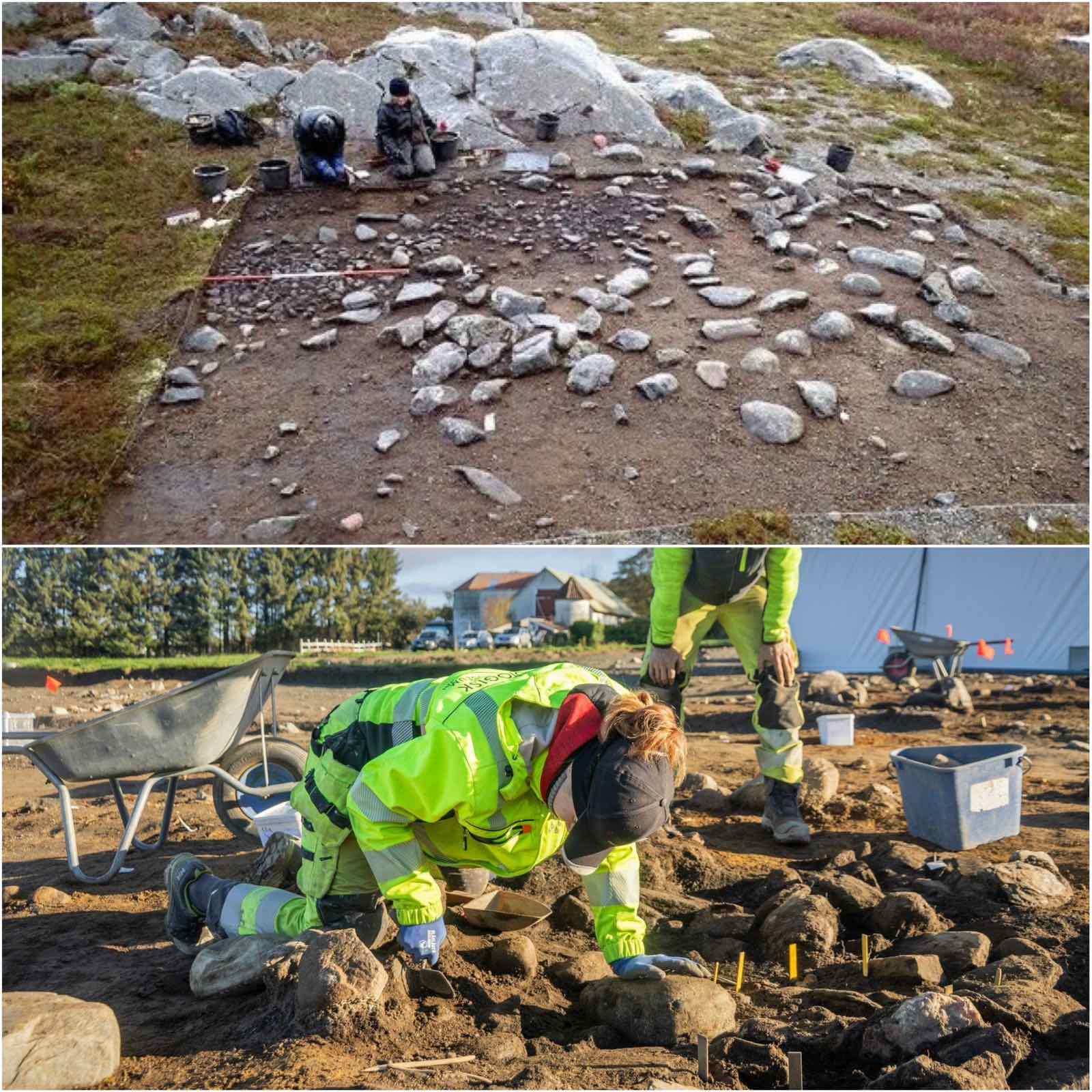
The research focuses on the area surrounding Lake Tesse in southern Norway, where archaeologists uncovered well-preserved wooden fish traps buried in waterlogged soil. Radiocarbon dating indicates that these structures were used around 5000 BC, making them among the oldest known fishing installations in northern Europe.
The exceptional preservation of the wooden traps allowed researchers to study how prehistoric people caught fish thousands of years ago. Combined with environmental and geological analyses, the discoveries painted a much larger picture than archaeologists had initially expected.
Scientists found that several nearby mountain lakes contained trout populations even though natural barriers, including waterfalls and steep streams, would have prevented fish from reaching these waters on their own.
Lake Tesse is located in the mountainous region of Innlandet County in southern Norway, surrounded by rugged peaks, valleys, and glacial landscapes that have attracted people for thousands of years. Sitting at an elevation of roughly 850 metres (2,790 feet) above sea level, the lake is part of a network of freshwater systems that have long served as important seasonal hunting and fishing grounds.
Today, Lake Tesse is known for its clear, cold waters and healthy trout populations, making it a popular destination for anglers and outdoor enthusiasts. However, archaeologists now believe that its importance stretches far beyond modern recreation.
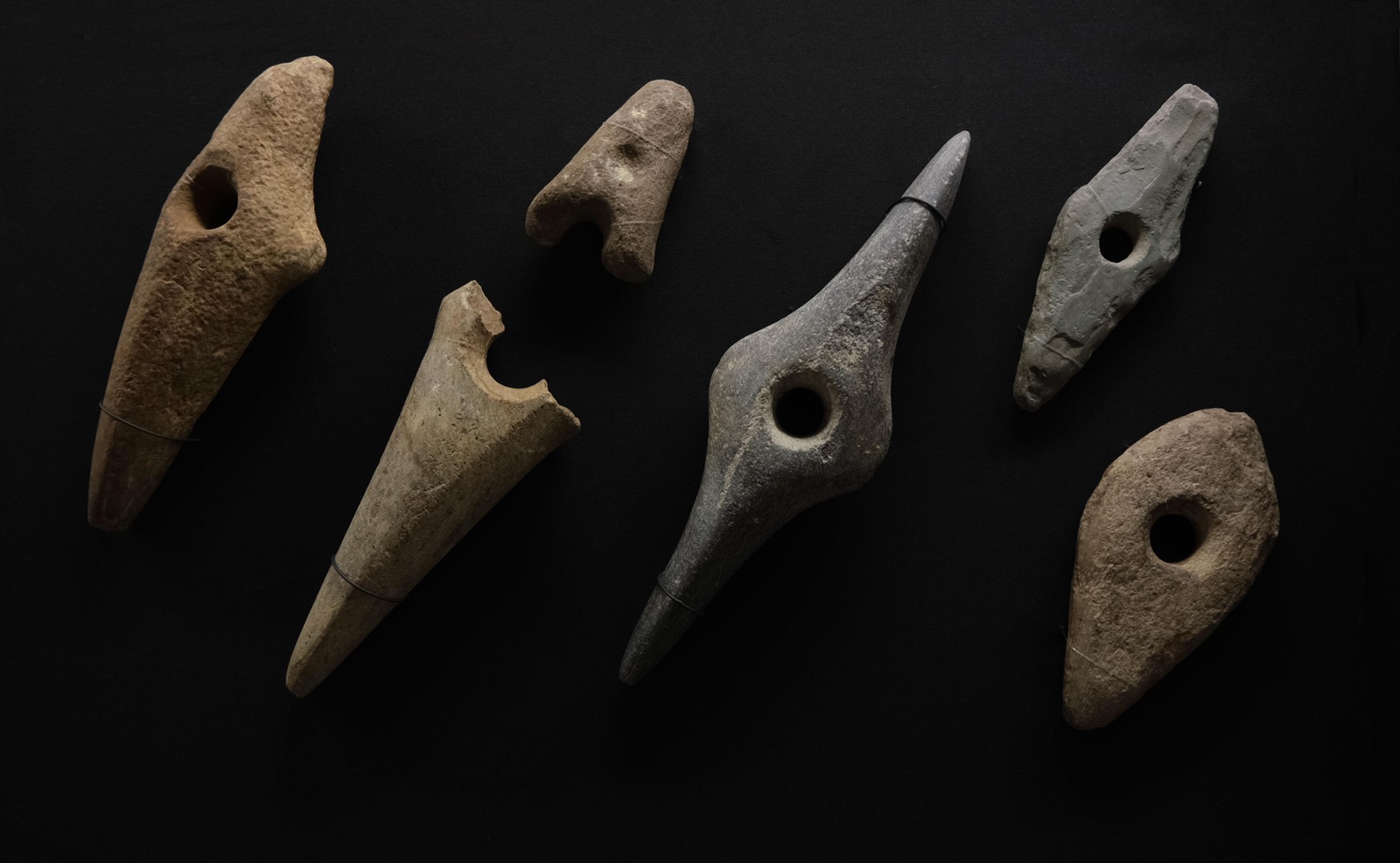
The area around the lake contains numerous archaeological sites, including ancient campsites, stone tools, hearths, and wooden fishing structures preserved in waterlogged sediments. These discoveries indicate that prehistoric communities returned to the region repeatedly, likely during the warmer months, to hunt reindeer, fish, and gather other natural resources.
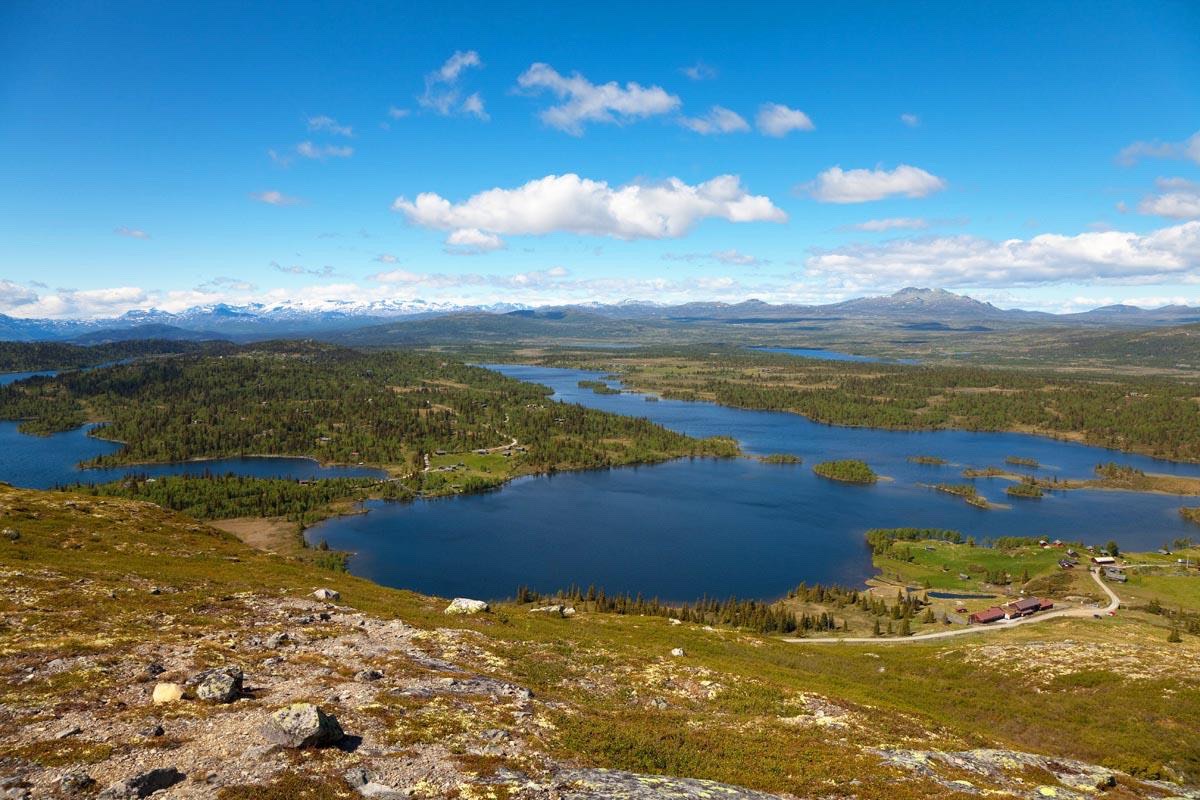
One of the most remarkable aspects of Lake Tesse is its geography. Several nearby mountain lakes are naturally isolated by steep streams and waterfalls, making it nearly impossible for trout to migrate there without human assistance. This unique landscape provided researchers with the evidence needed to conclude that Stone Age communities intentionally introduced fish into these waters.
Humans Were the Missing Link
After studying the landscape, researchers concluded that the trout could not have naturally colonised these isolated lakes. The most likely explanation is that prehistoric people intentionally carried live fish from lower waterways into higher mountain lakes.
Although no written records exist from this period, archaeologists believe the fish were probably transported in wooden containers, leather bags, or woven baskets filled with water. Once released into their new habitat, the trout reproduced naturally and established self-sustaining populations.
This would have given local communities access to dependable fishing grounds whenever they returned to the mountains during seasonal hunting and gathering trips.

More Than Simple Hunter-Gatherers
For decades, prehistoric hunter-gatherers were often portrayed as people who simply followed migrating animals and gathered whatever food they could find. The new evidence suggests a far more sophisticated lifestyle.
Rather than depending entirely on nature, these communities actively shaped their environment to increase food security. Successfully introducing fish into isolated lakes required planning, cooperation, and a deep understanding of freshwater ecosystems.
Researchers believe these people knew where trout could survive, understood seasonal water conditions, and recognised that establishing new fish populations would provide long-term benefits.
A Long-Term Investment
Unlike hunting, introducing fish into a new lake would not produce immediate results. It could take several years before the trout population became large enough to support regular fishing.
This suggests that prehistoric communities were thinking well beyond their immediate needs. They were investing in resources that could benefit future generations, demonstrating a level of long-term planning rarely associated with hunter-gatherer societies.
Such behaviour highlights the remarkable adaptability of these early communities and their ability to develop sustainable strategies for survival.
Ancient Fishing Technology
The wooden fish traps discovered during the excavation reveal that fishing techniques had already become highly advanced by the Mesolithic period.
The carefully designed structures were positioned in narrow waterways where fish naturally travelled. As trout moved through these passages, the traps guided them into confined spaces, making them easier to catch without constant effort.
The sophisticated design of these traps suggests that fishing was not an occasional activity but an important part of everyday life for these communities.

A Human Impact That Lasted Thousands of Years
One of the most fascinating aspects of the research is the possibility that some trout living in Norway’s mountain lakes today may be descendants of fish introduced by humans over seven millennia ago.
If future genetic studies confirm this connection, it would represent one of the oldest known examples of people permanently altering an ecosystem in a way that remains visible today.
Unlike many modern environmental changes, this prehistoric intervention appears to have created a sustainable balance that lasted for thousands of years.
Rethinking Life in the Stone Age
The discovery is forcing archaeologists to reconsider traditional ideas about Stone Age societies. Instead of viewing these communities as passive users of natural resources, researchers now see evidence of innovation, environmental knowledge, and careful resource management.
The people who lived in Norway during the Mesolithic period were not simply surviving from season to season. They were making strategic decisions that improved food availability and increased the resilience of their communities.
Scientists believe similar practices may have existed elsewhere across Europe, although comparable evidence has rarely survived because organic materials such as wood usually decompose over time.
Why This Discovery Matters
The findings extend beyond Norwegian archaeology. They offer valuable insights into the relationship between humans and nature long before the development of agriculture.
The study demonstrates that environmental management did not begin with farming societies. Even hunter-gatherers understood how to shape landscapes, establish sustainable food sources, and make decisions that benefited future generations.
As archaeologists continue exploring ancient settlements and mountain environments, discoveries like this continue to reshape our understanding of prehistoric life. Rather than being simple survivors, the people of the Stone Age emerge as skilled planners whose knowledge of the natural world was far more advanced than previously believed.
This article is based on reporting by Smithsonian Magazine and information published in the peer-reviewed journal Antiquity.
Written by Hidden Civilizations Editorial Team