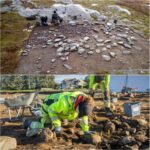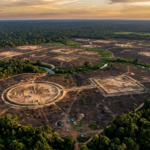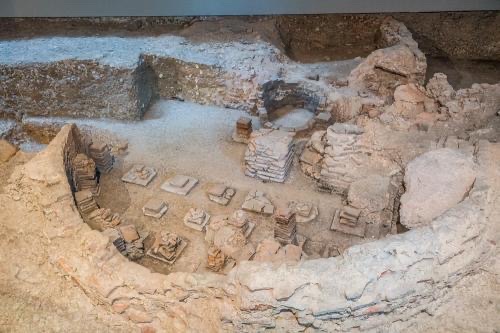
Archaeologists have uncovered what is believed to be the largest Roman bathhouse ever discovered in the Netherlands, offering an extraordinary glimpse into life along the northern frontier of the Roman Empire. The remarkable discovery was made during excavations in the city of Nijmegen, one of the oldest cities in the country and an important Roman settlement nearly 2,000 years ago.
The newly discovered bath complex is considered one of the most significant archaeological finds in the Netherlands in recent years. Researchers say the site demonstrates that Roman influence in the region was far greater than previously understood, highlighting the area’s importance as a military, economic, and cultural center.
Credit: Wikimedia Commons
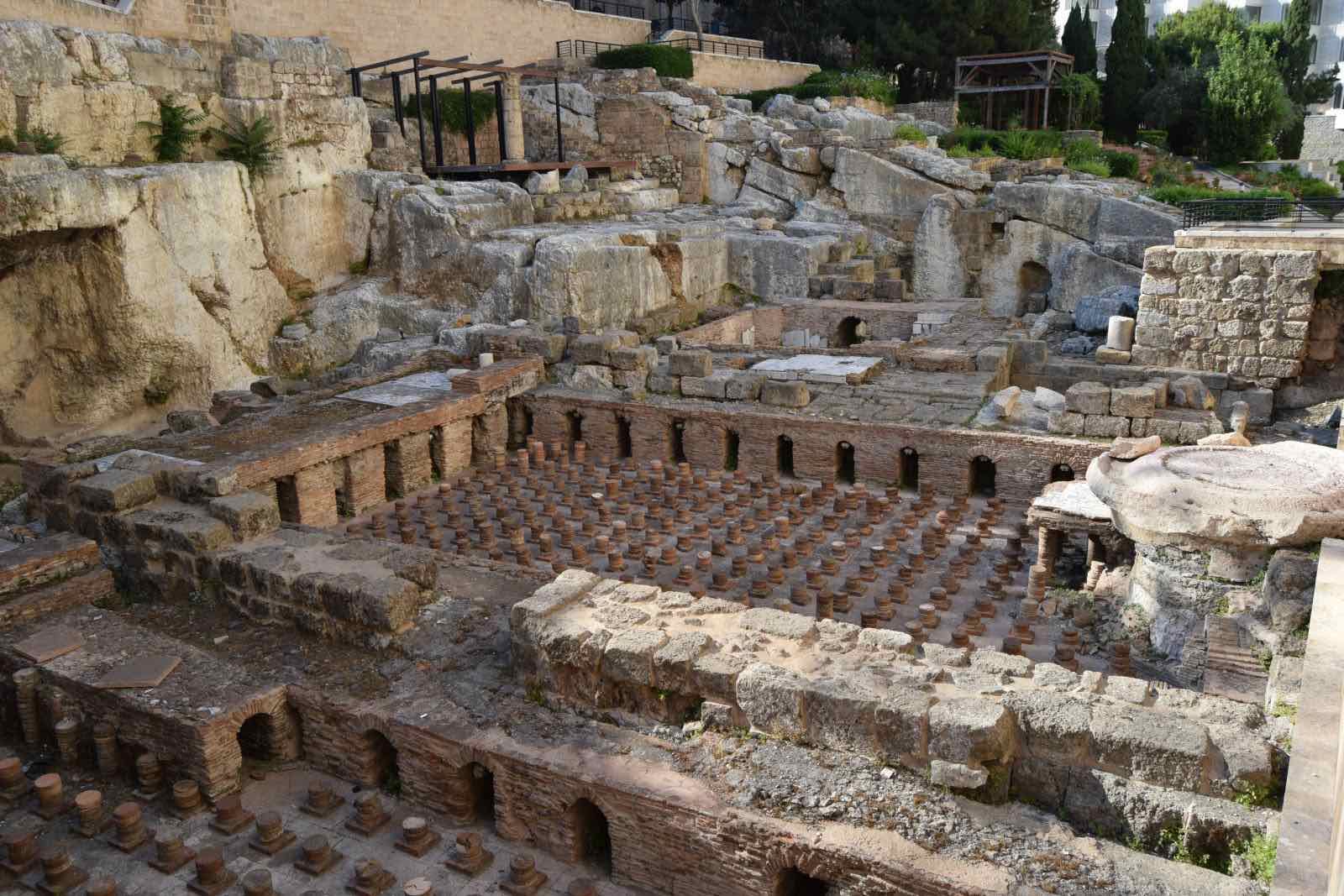
Credit: Wikimedia Commons
A Bathhouse Covering Nearly 5,000 Square Meters
According to archaeologists, the Roman bathhouse covered approximately 4,900 square meters (around 52,700 square feet), making it more than twice the size of any Roman bath complex previously found in the Netherlands.
The structure was part of the ancient Roman city of Ulpia Noviomagus, which served as a key settlement near the empire’s northern border. Its impressive scale suggests the city supported a large population and possessed sophisticated urban planning, including public buildings, paved streets, and advanced infrastructure.
The excavation has revealed far more than just bathing facilities. Archaeologists also uncovered residential buildings, luxurious homes, streets, and even defensive structures, painting a detailed picture of a thriving Roman community.
Thousands of Ancient Artifacts Discovered
Excavations have produced tens of thousands of archaeological objects that help researchers better understand everyday life during Roman times. Among the discoveries are ceramic vessels, glassware, coins, jewelry, metal tools, decorative items, and fragments of building materials.
One of the most fascinating finds is a small bronze bust believed to represent Bacchus, the Roman god of wine, celebration, and fertility. Such discoveries provide valuable clues about the religious beliefs and cultural traditions of the people who once lived in the city.
Experts believe many additional artifacts remain buried beneath the site, and ongoing excavations could reveal even more about this important Roman settlement.
Roman Bathhouses Were More Than Places to Bathe
Public bathhouses played a central role in Roman society. While they were designed for personal hygiene, they also served as gathering places where citizens could socialize, discuss politics, conduct business, exercise, and relax after a day’s work.
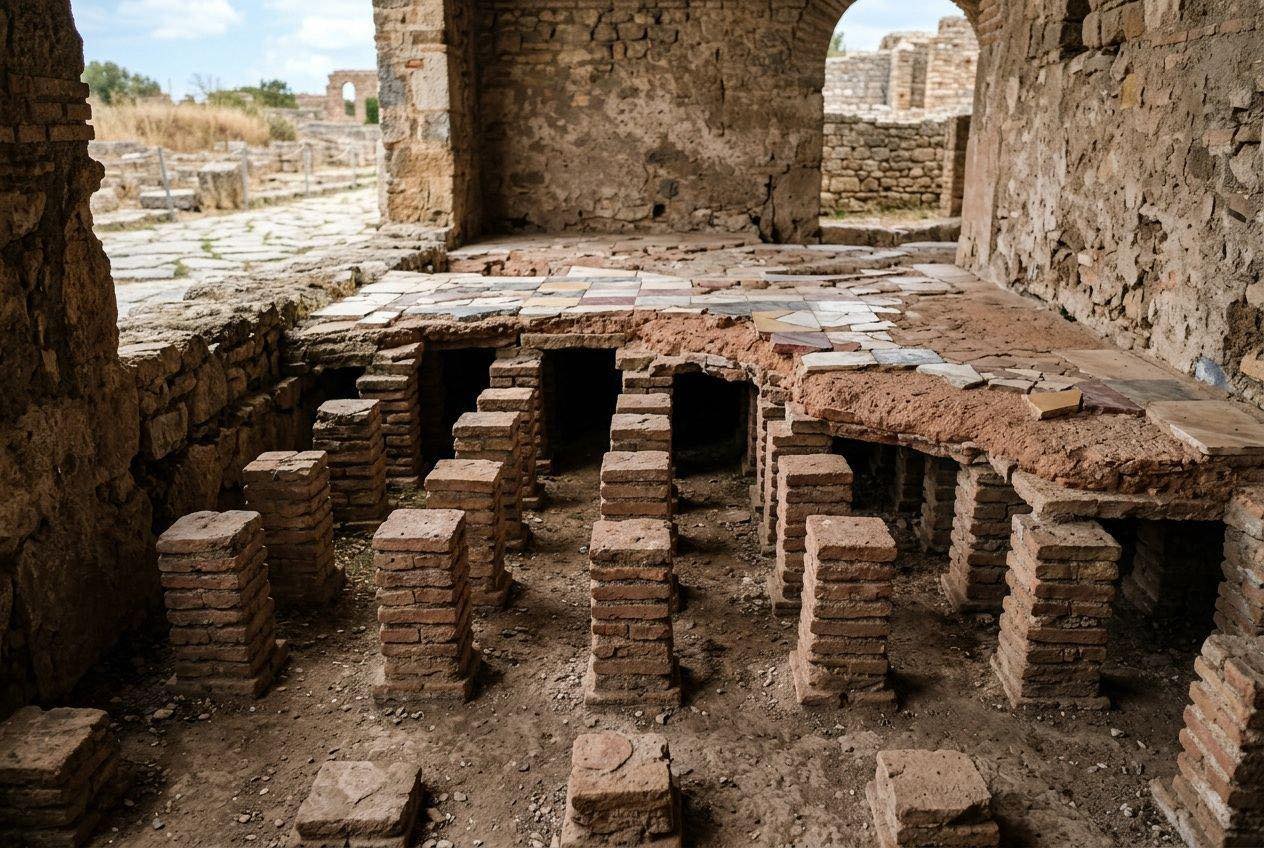
Large bath complexes often featured separate hot, warm, and cold bathing areas, changing rooms, underfloor heating systems known as hypocausts, exercise courtyards, and beautifully decorated halls. Wealthier bathhouses were often adorned with mosaics, marble columns, sculptures, and colorful frescoes.
The enormous size of the Nijmegen bathhouse suggests it was designed to accommodate a significant number of visitors, reinforcing the city’s status as an important regional center during the Roman period.
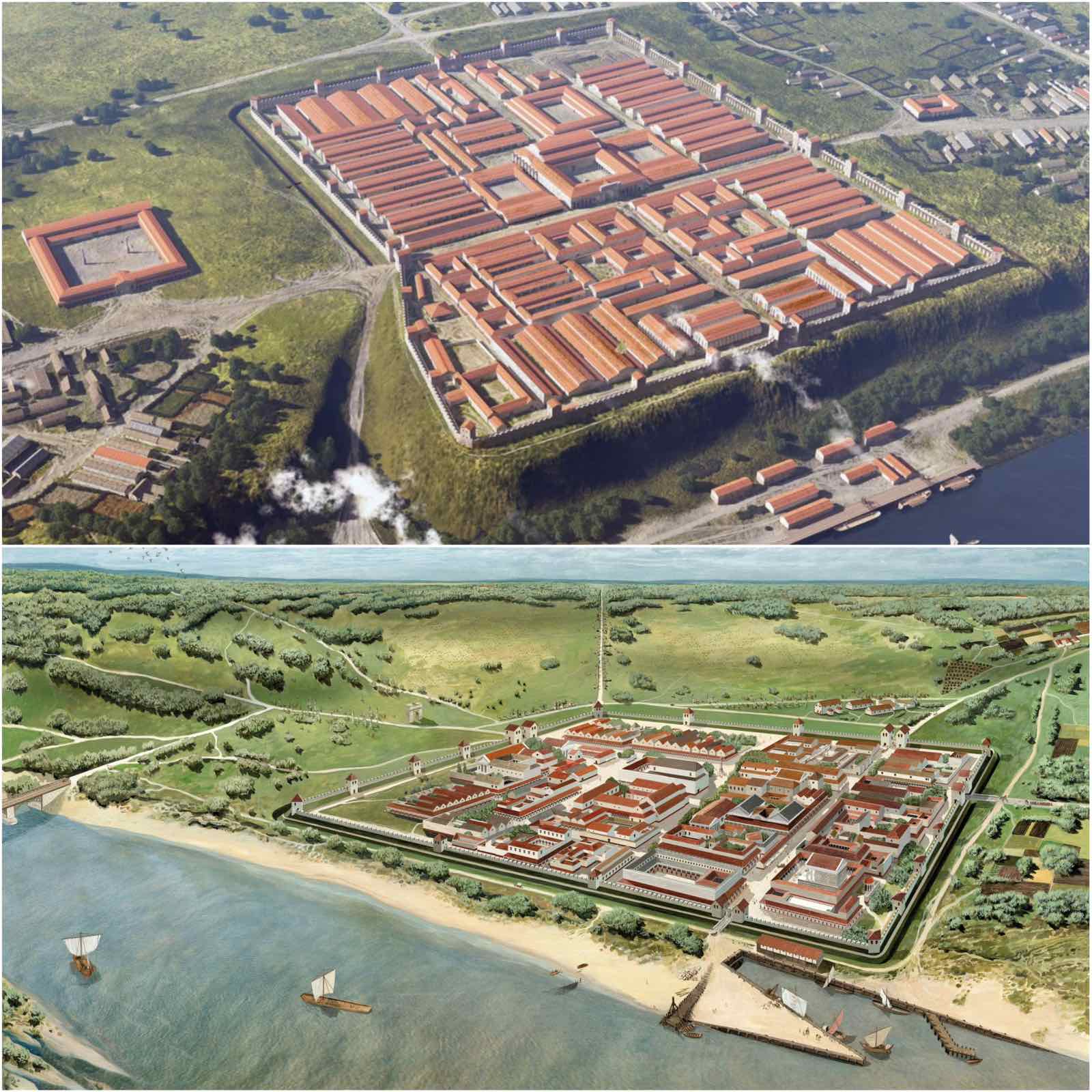
Credit: Wikimedia Commons
Rewriting the History of Roman Europe
Historians have long recognized Nijmegen as one of the Roman Empire’s most important settlements in present-day Netherlands. However, this latest discovery indicates that the city may have been larger, wealthier, and more influential than previously believed.
The scale of the public infrastructure points to a prosperous urban community with strong economic activity and close connections to other Roman provinces. It also highlights the extent to which Roman culture and engineering reached into northern Europe.
Researchers hope further analysis of the site will reveal additional buildings and provide new evidence about trade, daily life, religious practices, and military activity in the region.
What Was Ulpia Noviomagus?
Ulpia Noviomagus was one of the most important Roman cities in what is now the Netherlands. Located in present-day Nijmegen, the settlement was established during the early Roman Empire and later received official city status under Emperor Trajan around the beginning of the 2nd century AD. The name “Ulpia” comes from Trajan’s family name, Ulpius, while “Noviomagus” is believed to mean “new market” or “new field” in the Celtic language once spoken in the region.
Because of its strategic location along the Rhine frontier, Ulpia Noviomagus became an important military and commercial hub. Roman soldiers stationed nearby helped protect the empire’s northern border, while merchants used the city as a center for trade between Roman provinces and local tribes.
The city featured many of the amenities found in major Roman settlements, including paved streets, temples, public buildings, markets, residential neighborhoods, and bathhouses. Its advanced infrastructure reflected the engineering skills and urban planning that characterized Roman civilization.
However, the settlement faced several setbacks throughout its history. During the Batavian Revolt in AD 69–70, much of the city was destroyed before being rebuilt by the Romans. Over the following centuries, Ulpia Noviomagus continued to flourish until the decline of Roman authority in northwestern Europe during the late 3rd and 4th centuries.
Today, Nijmegen is widely recognized as the oldest city in the Netherlands, and archaeological discoveries such as the recently uncovered bathhouse continue to reveal new details about its rich Roman past. Researchers believe that many parts of the ancient city still remain buried beneath the modern landscape, making future excavations highly promising.
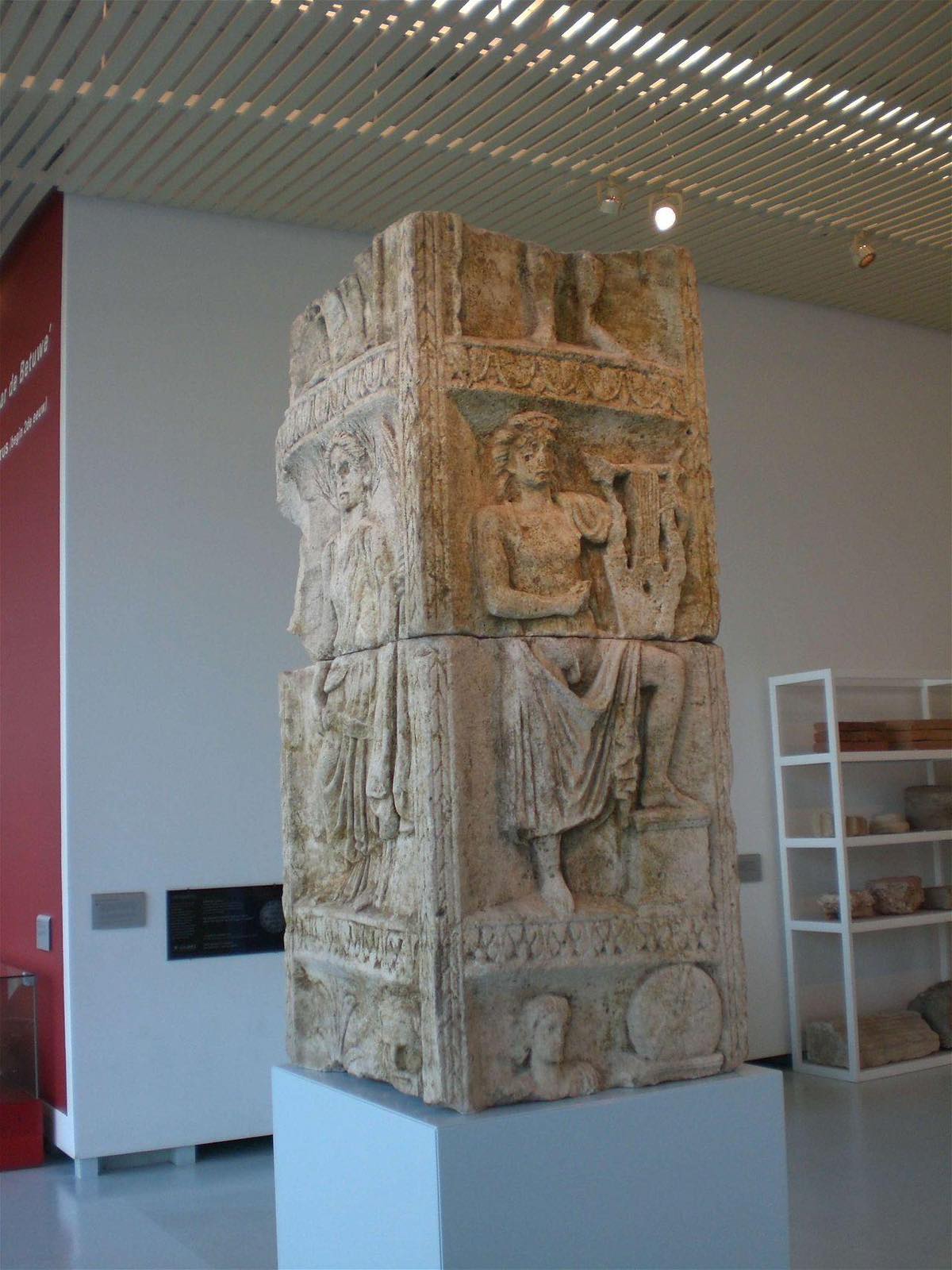
Photo by Wouter Hinrichs / Wikimedia Commons — CC BY 4.0
Why This Discovery Matters
The discovery of the largest Roman bathhouse ever found in the Netherlands represents a major milestone in European archaeology. It not only expands our understanding of Roman architecture but also sheds new light on how people lived, worked, and interacted in one of the empire’s northernmost cities.
As excavations continue, archaeologists expect more remarkable discoveries that could reshape our understanding of Roman civilization in northwestern Europe. Every artifact recovered from the site adds another piece to the story of a city that flourished nearly two millennia ago and continues to reveal its secrets today.
This article is based on reporting by the Municipality of Nijmegen, information from Radboud University, and coverage published by Archaeology Magazine.
Written by Hidden Civilizations Editorial Team