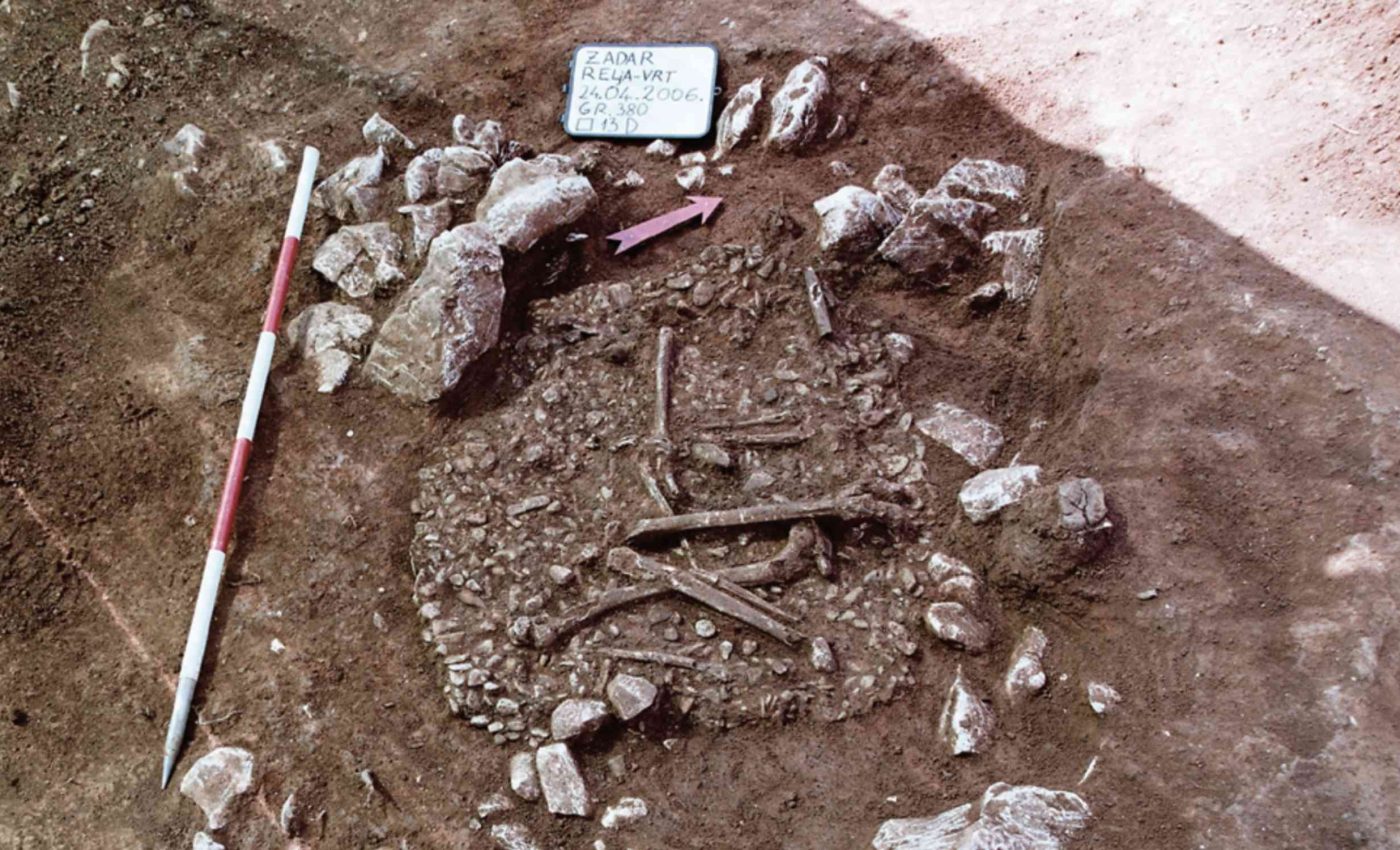
Archaeologists working in the Croatian city of Zadar have uncovered one of the largest Roman cemeteries ever discovered along the eastern Adriatic coast. Hidden beneath modern streets and buildings in the Relja district, the ancient necropolis contains more than 3,000 tombs, offering an extraordinary glimpse into the lives, beliefs, and burial traditions of the people who lived in the Roman city of Iader nearly two thousand years ago.
The discovery is considered one of the most significant archaeological finds in Croatia in recent years. Researchers believe the cemetery was used continuously for more than five centuries, making it an invaluable source of information about Roman society and the evolution of burial customs over time.
An Ancient City Beneath the Modern One
Modern-day Zadar stands on the site of the Roman city of Iader, an important administrative and commercial center in the Roman province of Dalmatia. Thanks to its strategic position on the Adriatic Sea, the city became a thriving port that connected Italy with the Balkan Peninsula and other parts of the Roman Empire.
As the population of Iader expanded, so did its burial grounds. Roman law generally prohibited burials within city walls, so cemeteries were established along roads leading into and out of urban centers. Over the centuries, these burial areas grew into extensive necropolises that reflected the city’s development.
Although archaeologists have long known that a Roman cemetery existed in the Relja area, recent excavations have revealed that its size far exceeds earlier estimates.
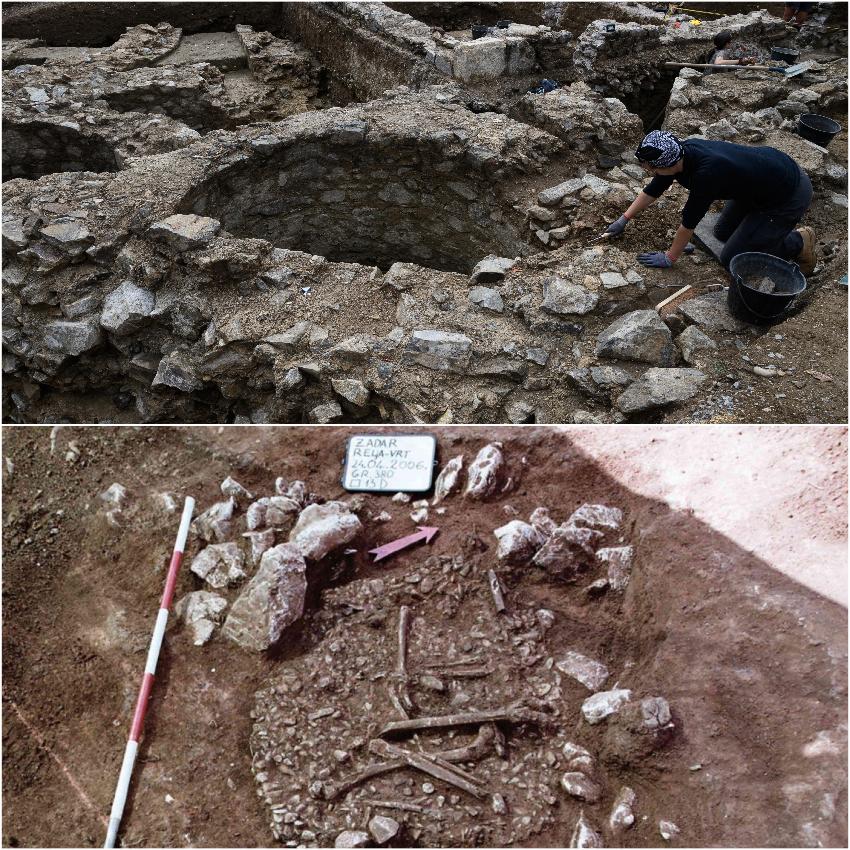
Credit: Department of Archaeology, University of Zadar
More Than Five Centuries of Burials
According to archaeologists, the necropolis was in use from the late 1st century BC until the 5th century AD, spanning more than 500 years. This long period covers significant moments in Roman history, from the final years of the Roman Republic through the height of the Roman Empire and into Late Antiquity.
Because the cemetery remained active for so many generations, researchers can study how burial customs changed over time. Earlier graves may reflect traditional Roman pagan practices, while later burials could show the gradual influence of Christianity as it spread throughout the empire.
Some of the oldest graves are more than 2,000 years old, dating from the early Roman period, while the newest ones are around 1,600 years old, from the late Roman Empire. The necropolis was in continuous use for more than five centuries, allowing archaeologists to study how Roman burial customs changed over time.
This continuous use makes the site especially valuable for understanding cultural and religious transitions in the Roman world.
Thousands of Graves Reveal a Diverse Community
Excavations have uncovered a wide variety of burial types, suggesting that people from different social backgrounds were laid to rest in the cemetery.
Among the discoveries are:
- Simple earth burials
- Stone-lined graves
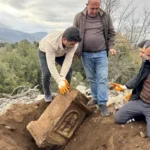
- Large stone sarcophagi
- Family burial chambers
- Carefully constructed tombs for wealthier individuals
The diversity of these graves indicates that the cemetery served a broad cross-section of Roman society, from ordinary citizens to members of more affluent families.
Archaeologists believe additional graves remain buried beneath nearby streets and buildings, meaning the total number of burials could increase as future excavations continue.
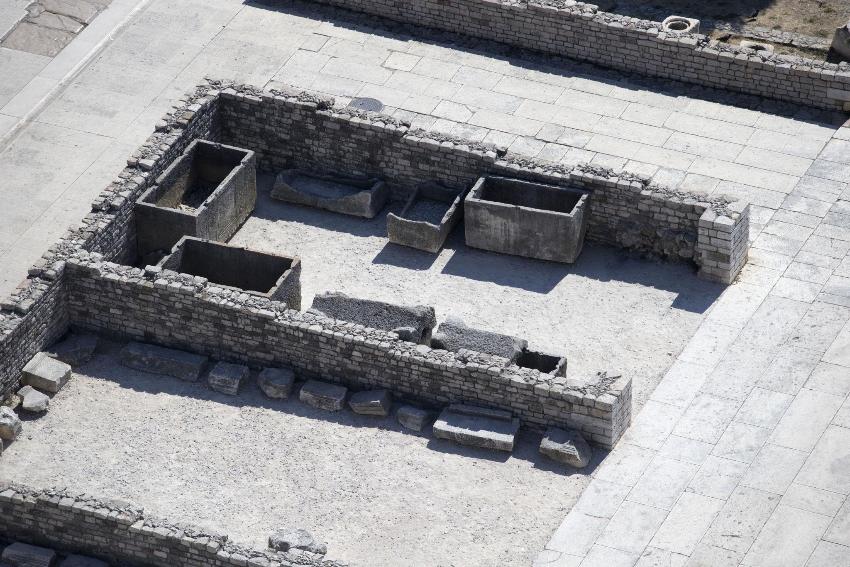
Credit: Department of Archaeology, University of Zadar
Remarkable Grave Goods
Alongside the human remains, researchers recovered numerous artifacts that had been placed inside the graves as part of Roman funerary traditions.
Among the most notable discoveries are:
- Ceramic oil lamps
- Glass bottles and drinking vessels
- Bronze and silver coins
- Jewelry
- Pottery vessels
- Metal buckles and decorative items
- Stone sarcophagi
These objects provide important clues about the lives of the people buried there. Roman grave goods often reflected social status, personal beliefs, occupations, or family traditions.
The ceramic lamps, for example, may have symbolized light for the journey into the afterlife, while coins sometimes held ritual significance associated with ancient beliefs about the passage of the dead.
Glass vessels are particularly interesting because they demonstrate the high level of craftsmanship achieved during the Roman period and reveal the region’s participation in long-distance trade networks.
What Human Remains Can Tell Us
Modern archaeology extends far beyond simply excavating artifacts. Scientists will conduct detailed anthropological and laboratory analyses on the skeletal remains to learn more about the individuals buried in the necropolis.
These studies may reveal:
- Age at death
- Biological sex
- General health
- Common diseases
- Diet and nutrition
- Physical activity
- Population movement and migration
- Family relationships through DNA analysis
Advances in scientific techniques now allow archaeologists to reconstruct aspects of everyday life that would have been impossible to study just a few decades ago.
For example, isotope analysis can provide information about diet and geographic origin, while DNA studies may identify family connections among individuals buried in different parts of the cemetery.
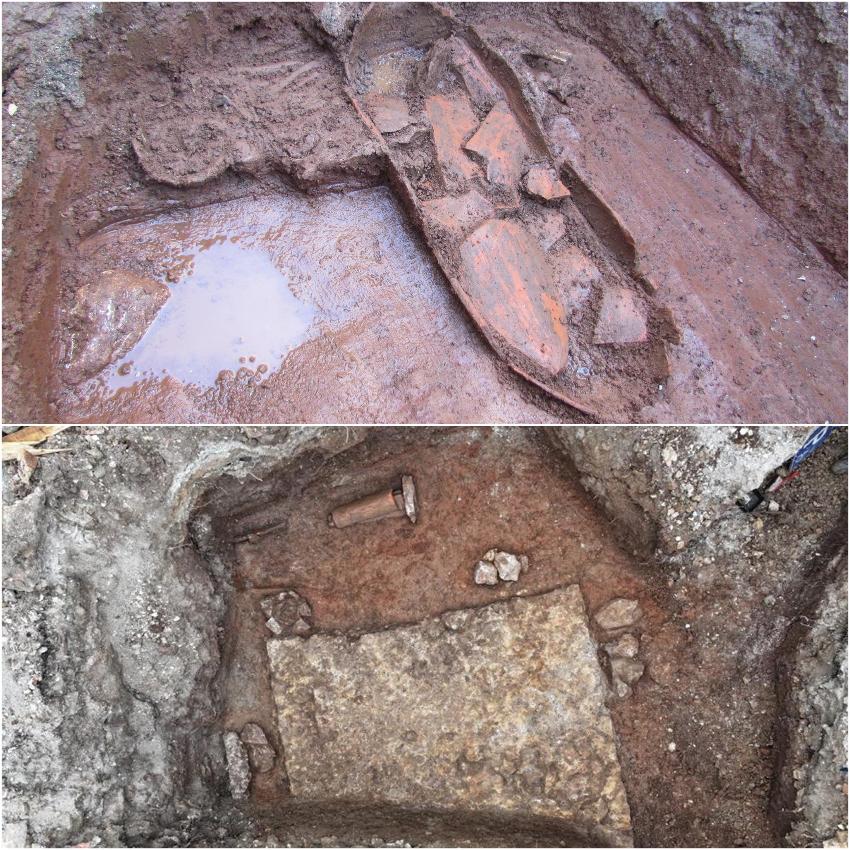
Credit: Archaeological Museum Zadar
Roman Burial Traditions
Burial rituals played an important role in Roman society. Families honored their deceased relatives through carefully organized ceremonies, and many believed that proper burial was essential for ensuring peace in the afterlife.
During the early Roman period, cremation was common, although inhumation gradually became the dominant practice during the Empire, particularly as Christianity spread.
The Zadar necropolis reflects these changing traditions, making it possible for archaeologists to trace how religious beliefs and cultural customs evolved over several centuries.
Many graves also contain objects that appear to have held symbolic rather than practical value, highlighting the importance Romans placed on funerary rituals and remembrance.
A Major Archaeological Discovery
The discovery of more than 3,000 tombs represents one of the largest archaeological investigations of a Roman cemetery in Croatia. Every grave contributes new information about the history of ancient Iader and the people who once lived there.
Researchers are carefully documenting each burial before artifacts are removed for conservation and study. Every object is photographed, mapped, and analyzed to preserve its archaeological context.
This meticulous process ensures that future researchers will be able to study the site for many years, even after excavations are complete.
Excavations Continue
Although thousands of graves have already been identified, archaeologists believe the necropolis extends well beyond the currently excavated area.
Future investigations may uncover additional tombs, new artifacts, and previously unknown sections of the ancient cemetery. Each new discovery has the potential to improve our understanding of Roman life on the eastern Adriatic coast.
The findings also highlight the importance of archaeological work carried out before major construction projects, as significant pieces of history often remain hidden beneath modern cities.
Preserving the Past
The remarkable necropolis beneath Zadar demonstrates how archaeological discoveries continue to reshape our understanding of the ancient world. Beyond its impressive size, the cemetery provides an opportunity to study Roman society over several centuries through well-preserved graves, artifacts, and human remains.
As research continues, archaeologists hope the site will answer important questions about health, trade, migration, religion, and daily life in one of Dalmatia’s most important Roman cities.
For historians and archaeologists alike, the Zadar necropolis is more than a collection of ancient tombs—it is a valuable historical archive preserved beneath the streets of a modern city, waiting to reveal new chapters of the Roman past.
This article is based on archaeological research conducted by the University of Zadar and collaborating institutions, along with reports from scientific and archaeological media.
Written by Hidden Civilizations Editorial Team


One Comment
That’s incredible! It really puts into perspective how densely populated ancient Rome must have been.