Ancient Egyptian Mummy Reveals Rare Fragment of Homer’s Iliad, Surprising Archaeologists
Remarkable Discovery Sheds New Light on Ancient Burial Practices
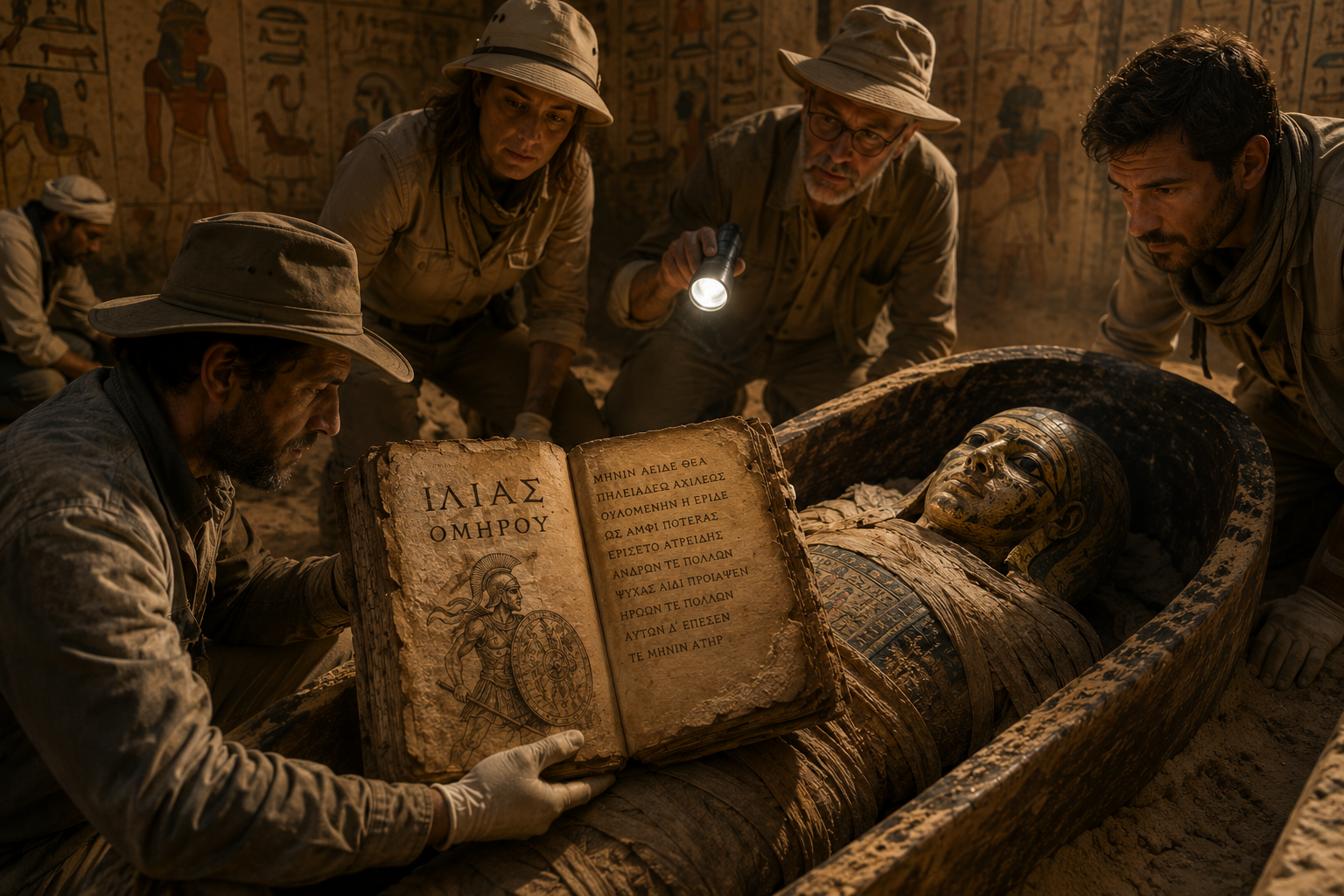
Archaeologists working at one of Egypt’s most important archaeological sites have uncovered an extraordinary artifact that is changing how researchers understand burial customs during the Roman period. A fragment of Homer’s Iliad was discovered inside a mummy estimated to be around 1,600 years old, marking what experts believe is the first known example of a classical literary text being intentionally included in the mummification process.
The discovery has attracted international attention because papyrus texts found in mummies typically contain religious writings, magical spells, or funerary prayers. Finding verses from one of the world’s greatest literary masterpieces instead raises fascinating questions about the cultural and symbolic role of Greek literature in ancient Egypt.
A Historic Find at Oxyrhynchus
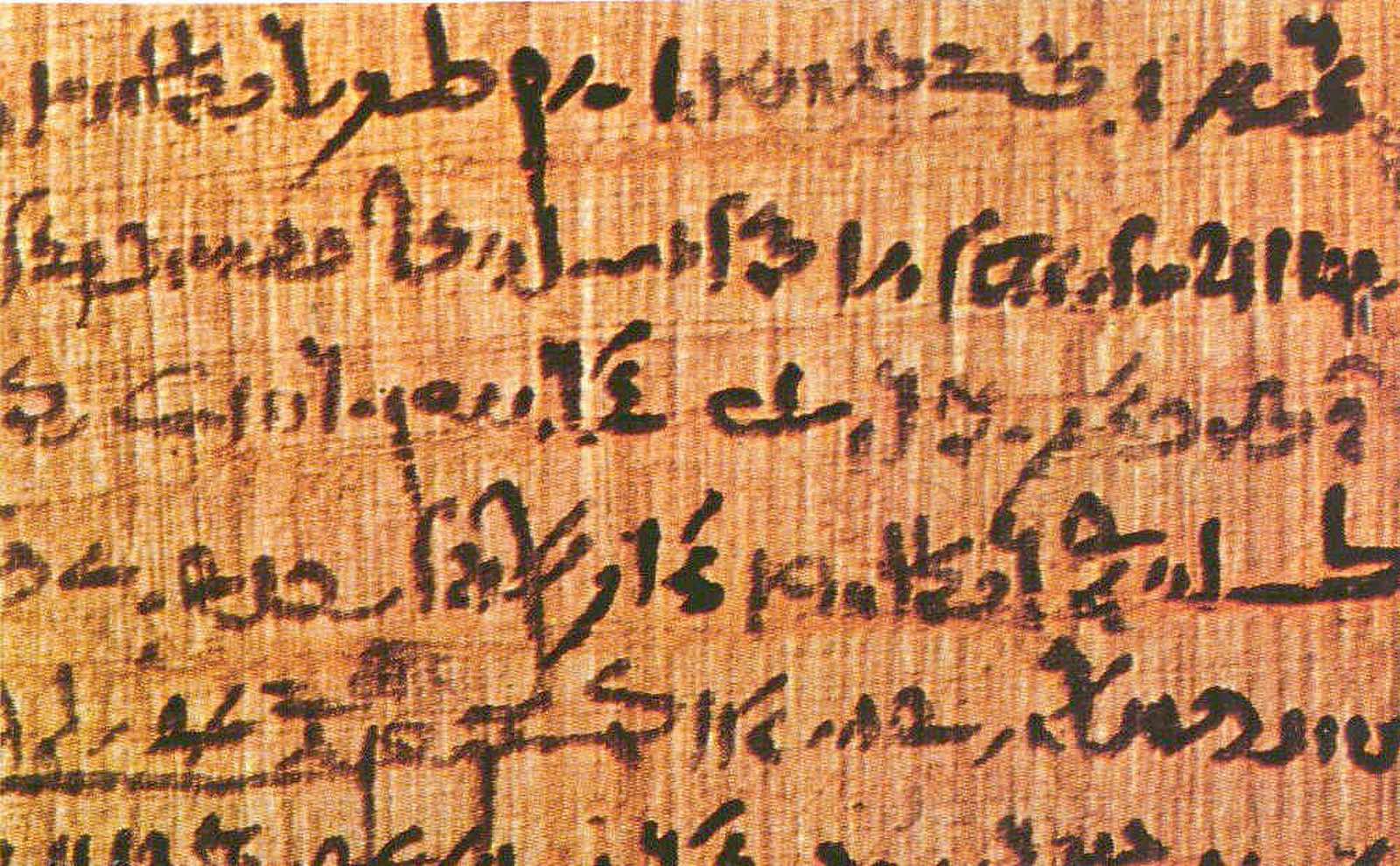
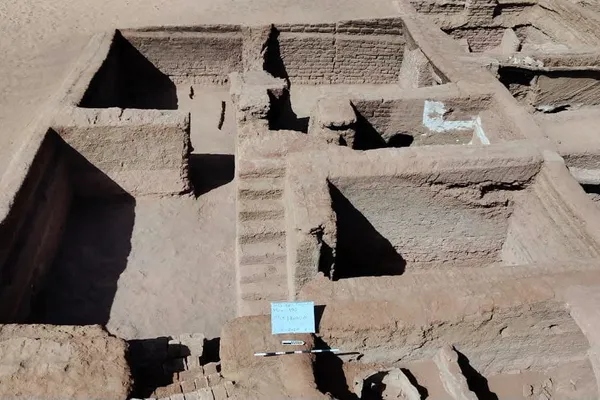
The papyrus was uncovered during excavations at the ancient city of Oxyrhynchus, now known as El-Bahnasa. The site has long been regarded as one of the richest archaeological locations for ancient manuscripts, producing hundreds of thousands of papyrus fragments over the past century.
These discoveries have helped historians reconstruct everyday life in Greco-Roman Egypt, revealing details about education, government, trade, religion, and literature. However, despite the enormous number of manuscripts recovered from the site, researchers had never encountered a literary work used in this particular funerary context.
Credit: Public Domain / Wikimedia Commons (or generic stock asset representation)
That makes the latest discovery especially significant.
Here are a few sentences that caught our attention and that we would like to share with you. We hope you will find them meaningful.
The city Oxyrhynchus was named after a fish
The name Oxyrhynchus means “sharp-snouted fish” in Greek. It refers to a species of Nile fish that was considered sacred by the city’s inhabitants. According to Egyptian mythology, this fish was believed to have eaten part of the body of the god Osiris after he was killed by Seth.
It holds one of the world’s largest collections of ancient manuscripts
Archaeologists have discovered more than 500,000 papyrus fragments at Oxyrhynchus, making it one of the richest sources of ancient written documents ever found. The excavation is still ongoing, and thousands of fragments remain untranslated.
An Unexpected Papyrus
During the excavation, archaeologists noticed a carefully placed papyrus positioned over the abdomen of the mummy. At first, they assumed it contained one of the many religious texts commonly associated with Egyptian burials.
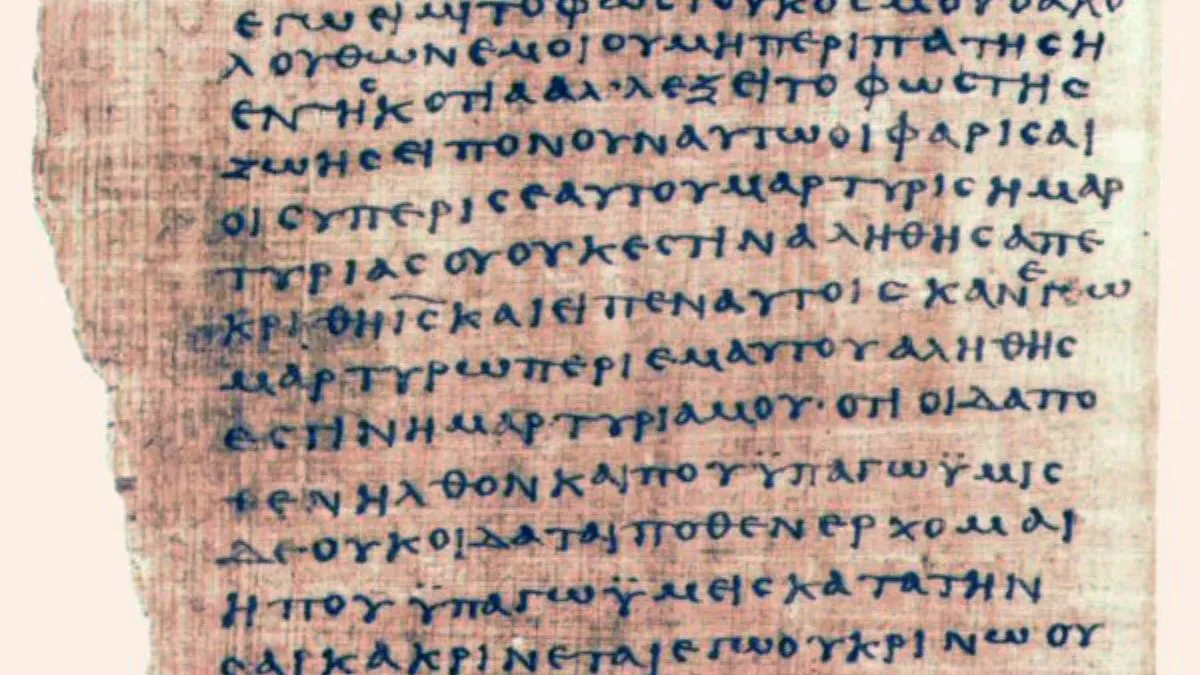
After conservation and detailed examination, specialists realized they were looking at something entirely different. The writing was identified as a passage from Homer’s Iliad, one of the oldest and most influential works in Western literature.
The finding immediately caught the attention of archaeologists, historians, and classical scholars because no previous archaeological evidence has shown that a text from the Iliad was intentionally incorporated into the burial of a deceased individual.
Credit: Public Domain / Wikimedia Commons (or generic stock asset representation)
Which Part of the Iliad Was Found?
Researchers identified the fragment as belonging to Book Two of the Iliad, a section commonly referred to as the “Catalogue of Ships.”
This famous passage lists the Greek leaders, their armies, and the regions they came from before sailing to Troy. While modern readers often view it simply as a lengthy catalogue, historians consider it an important historical source because it preserves valuable information about the geography and political landscape of ancient Greece.
The choice of this specific passage has puzzled researchers, who are now investigating whether it held a symbolic meaning for the individual buried in the tomb.
Why Is This Discovery Important?
The way the papyrus was positioned suggests it was deliberately placed during the mummification process rather than reused as scrap material.
Researchers believe the manuscript may have carried symbolic, educational, or even spiritual significance. It is possible that the deceased belonged to an educated family familiar with Greek literature, or that passages from the Iliad were believed to offer cultural prestige or personal protection in the afterlife.
Although these ideas remain hypotheses, the discovery challenges previous assumptions about how classical literature was viewed in late antiquity.
A Meeting Point Between Greek and Egyptian Cultures
Credit: Public Domain / Wikimedia Commons (or generic stock asset representation)
By the time this mummy was prepared, Egypt had spent centuries under strong Greek and Roman cultural influence. Following the conquests of Alexander the Great, Greek became a widely spoken language, and Greek education spread throughout many parts of Egyptian society.
As a result, traditions from different civilizations frequently blended together. Egyptian religious customs coexisted with Greek philosophy, literature, and artistic traditions, creating a unique multicultural environment.
The newly discovered papyrus provides another striking example of this cultural interaction, suggesting that literary works may have played a more important role in daily and spiritual life than previously believed.
Researchers Continue Their Investigation
The archaeological team plans to conduct additional analyses using advanced imaging techniques to learn more about the papyrus, its age, and the circumstances surrounding its placement inside the mummy.
Further excavations at Oxyrhynchus are also expected to uncover new manuscripts that could help researchers better understand the relationship between literature, religion, and burial traditions during the Roman period in Egypt.
Each new discovery at the site contributes another piece to the puzzle of how ancient civilizations lived, learned, and remembered their dead.
A Discovery That Raises New Questions
For centuries, Homer’s Iliad has been celebrated as one of the greatest literary works ever written. This remarkable archaeological find suggests that its significance may have extended beyond storytelling and education.
The presence of the text inside an Egyptian mummy hints that classical literature may have carried symbolic or ceremonial importance in ways historians had never previously documented.
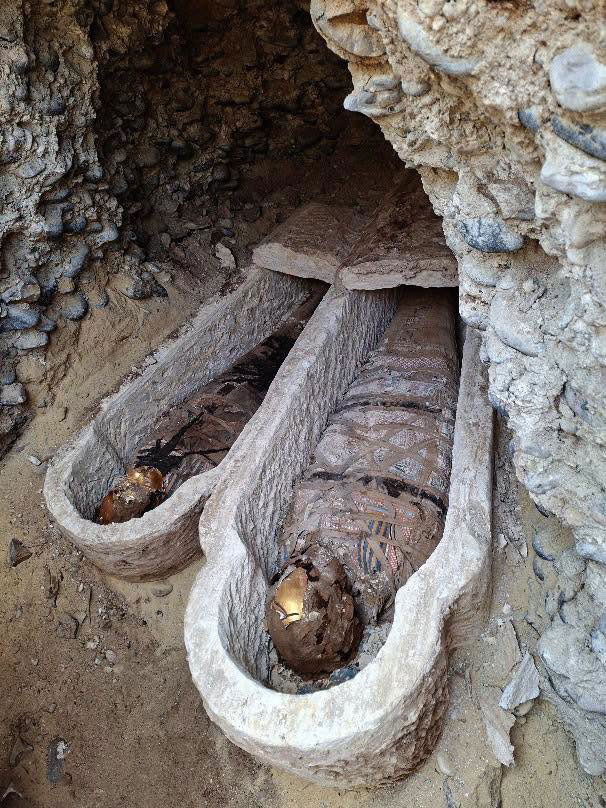
Credit: Public Domain / Wikimedia Commons (or generic stock asset representation)
While many questions remain unanswered, the discovery stands as a powerful reminder that the ancient world continues to surprise us. Every excavation has the potential to rewrite history, and this rare fragment of the Iliad offers an extraordinary glimpse into the complex cultural connections between ancient Greece and Egypt.
Source: www.sciencedaily.com
Written by Hidden Civilizations Editorial Team