A Remarkable Discovery That Sheds New Light on Britain’s Prehistoric Past
A team of archaeologists and genetic researchers has uncovered remarkable evidence that is helping rewrite the story of northern Britain’s earliest inhabitants. Using a combination of ancient DNA analysis, radiocarbon dating, and skeletal examination, scientists have identified the remains of a young girl who lived approximately 11,000 years ago.
The discovery provides one of the clearest glimpses yet into human life in Britain shortly after the end of the last Ice Age. Researchers believe the child represents the earliest confirmed individual identified in northern Britain, making the find an important milestone in the study of European prehistory.
The research demonstrates how modern scientific techniques continue to reveal extraordinary details about people who lived thousands of years before written history, allowing experts to reconstruct their lives with increasing accuracy.
Where Were the Remains Found?
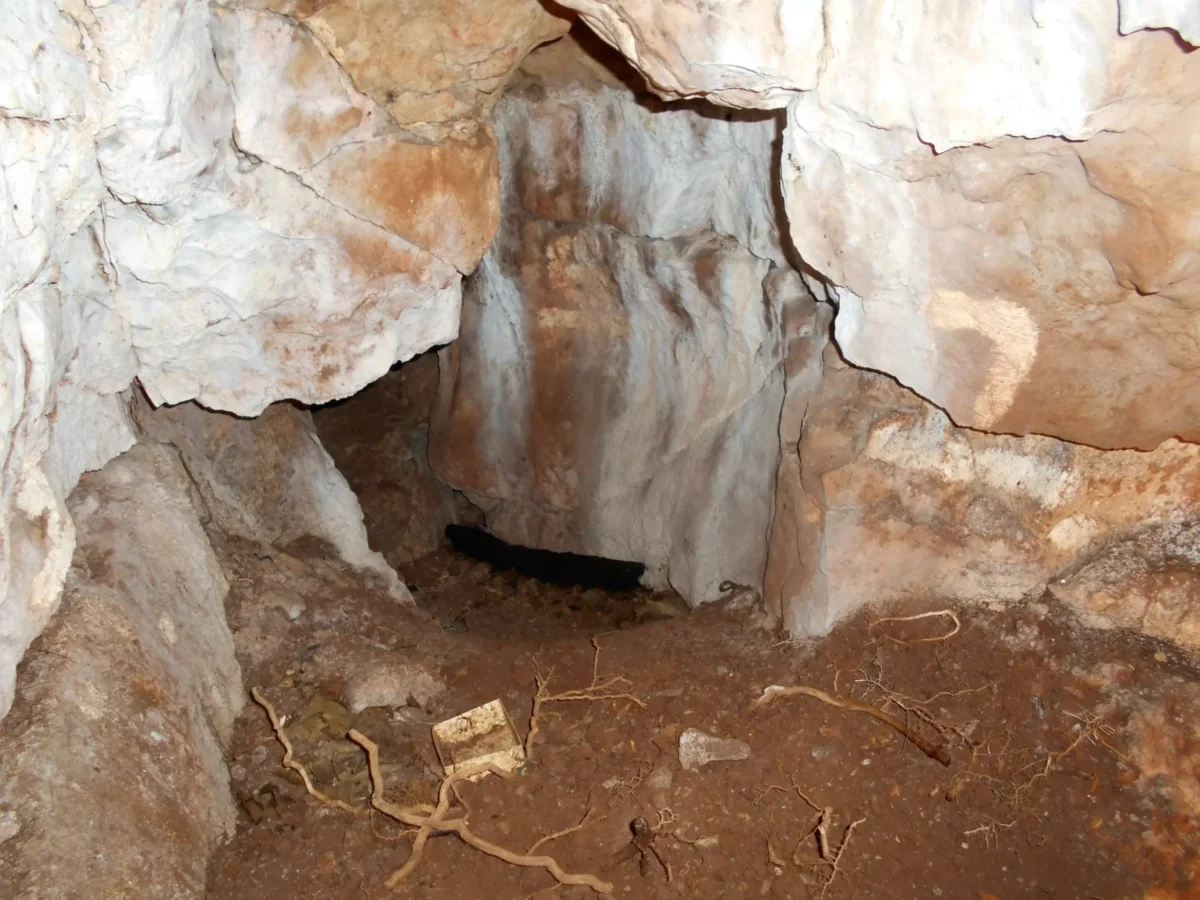
The child’s remains were discovered in Heaning Wood Bone Cave in Cumbria, a region in northwest England known for its rich archaeological heritage. Although the cave has been studied for many years, recent advances in laboratory technology made it possible to conduct much more detailed analyses than were available in the past.
Radiocarbon dating showed that the girl lived between approximately 9290 and 8925 BCE, during a period when Britain was undergoing dramatic environmental changes. As glaciers retreated following the last Ice Age, forests expanded across the landscape, rivers became established, and wildlife flourished, creating new opportunities for human settlement.
These changing conditions encouraged small groups of hunter-gatherers to move into areas that had previously been covered by ice.
How Did Scientists Identify the Child?
The identification was made possible through several scientific methods working together.
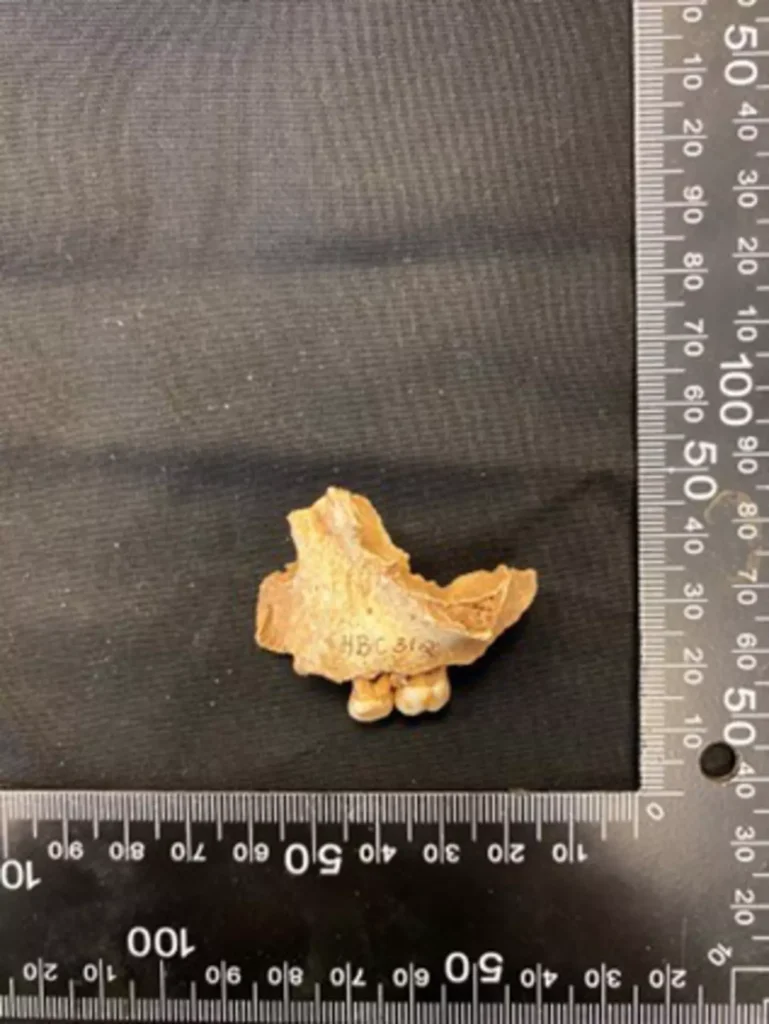
Ancient DNA extracted from the remains confirmed that the child was female, while the development of her bones and teeth allowed researchers to estimate that she was between two and a half and three and a half years old when she died.
Although scientists cannot determine the exact cause of her death, they say the preservation of the remains provides valuable information about childhood, health, and population history during the Mesolithic period.
The research team affectionately nicknamed the child “Ossick Lass,” inspired by the traditional local name associated with the nearby area. While her real name has been lost to history, the nickname has become a symbol of one of Britain’s most significant archaeological discoveries in recent years.
Why Is This Discovery Important?
Researchers emphasize that the girl was not the first human to live in Britain. Modern humans had reached the British Isles thousands of years earlier.
However, she is currently considered the earliest confirmed individual discovered in northern Britain whose identity has been studied using modern archaeological and genetic techniques.
This distinction is important because many older discoveries were either incomplete or lacked the scientific methods available today. Ancient DNA technology now allows researchers to answer questions that were impossible just a few decades ago.
The discovery also provides new evidence about how human populations spread across Britain after the glaciers retreated, offering a clearer picture of migration patterns during the early Holocene period.
Life in Britain 11,000 Years Ago
When the young girl was alive, Britain looked very different from the country we know today.
Large ice sheets had recently disappeared, temperatures were slowly rising, and forests of birch, pine, and hazel were beginning to dominate the landscape. Rivers and wetlands attracted a wide variety of animals, making the region an ideal environment for hunter-gatherer communities.
People lived in small mobile groups, moving throughout the seasons in search of food. Their survival depended on hunting wild animals such as deer and wild boar, fishing in rivers and lakes, and gathering berries, nuts, roots, and edible plants.
Without farming or permanent villages, these communities relied entirely on their knowledge of nature and seasonal changes.
Stone tools made from flint were essential for hunting and preparing food, while tools made from bone and wood were also commonly used in daily life.
The Revolution of Ancient DNA Research
Over the last two decades, ancient DNA analysis has transformed archaeology.
Scientists can now learn much more than the age of skeletal remains. Genetic research helps identify biological sex, ancestry, family relationships, population movements, and even connections between prehistoric communities separated by hundreds or thousands of kilometers.
This rapidly developing field has allowed researchers to reconstruct migration routes across Europe following the end of the Ice Age and better understand how ancient populations adapted to changing environments.
Every new discovery contributes another piece to the puzzle of human history.
Looking Toward Future Discoveries
Researchers believe this remarkable find is only the beginning.
As scientific technology continues to improve, previously discovered human remains may be re-examined using advanced DNA sequencing and imaging techniques. This could lead to the identification of many more individuals from Britain’s distant past and provide new insights into how prehistoric communities lived, traveled, and interacted.
Archaeologists also hope that future excavations in northern Britain will uncover additional evidence from the Mesolithic period, helping fill remaining gaps in the archaeological record.
Each discovery strengthens our understanding of the people who shaped the earliest chapters of Britain’s history.
A Window Into Humanity’s Distant Past
Although the young girl lived approximately 11,000 years ago, her remains continue to tell an extraordinary story today.
By combining archaeology, genetics, anthropology, and modern technology, scientists are uncovering details about lives that would otherwise have remained lost forever.
The discovery serves as a reminder that even the smallest archaeological finds can transform our understanding of the past. As research continues, scientists expect even more remarkable discoveries that will deepen our knowledge of prehistoric Europe and humanity’s shared origins.
For historians, archaeologists, and anyone fascinated by the ancient world, the discovery of the “Ossick Lass” represents another important step toward understanding the lives of the earliest people who called northern Britain home.
Cumbria’s importance
One of the most significant archaeological discoveries in Cumbria, northwestern England, is the discovery of the largest known Viking building in Britain.
Archaeologists uncovered a massive wooden hall at High Tarns Farm in Cumbria during excavations in 2024–2025. The building measured approximately 50 meters long and 15 meters wide, and dates back to the late 10th or early 11th century. It is believed to have been the residence of a wealthy or powerful Viking ruler or local chieftain. This discovery has provided new insights into Anglo-Scandinavian culture in northern England.