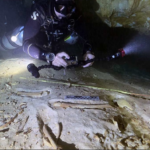
Archaeologists Discover Rare Evidence of Ritual Feeding Practices at an Ancient Australian Grave
A remarkable archaeological discovery in Australia is shedding new light on the deep and complex relationship between humans and animals nearly a thousand years ago. Researchers investigating the burial of a domesticated dingo have uncovered rare evidence suggesting that people may have continued to interact with the animal long after its death, performing ritual activities that included the deliberate placement of food offerings near its grave.
The finding, dating back approximately 950 years, provides an extraordinary glimpse into the spiritual beliefs, social customs, and emotional connections that existed between Indigenous Australian communities and dingoes. While archaeological evidence has long shown that dingoes played important roles in Aboriginal societies, this newly analyzed burial offers one of the clearest examples of how highly valued these animals may have been.
The discovery challenges modern assumptions about the relationship between humans and wild canids, revealing a story that goes far beyond simple companionship. Instead, it points to a cultural connection that may have included ritual practices, symbolic meaning, and a level of respect typically associated with human burials.
The Ancient Dingo of Australia
The dingo has occupied a unique place in Australia’s history for thousands of years. Arriving on the continent several millennia ago, likely through human-assisted migration from Southeast Asia, dingoes became deeply integrated into many Indigenous cultures.
Unlike fully domesticated dogs found elsewhere in the world, dingoes occupied a fascinating middle ground between wild and domestic life. Many lived alongside human communities, assisted in hunting activities, and formed close relationships with people, while still retaining much of their natural behavior.
Historical accounts from early European observers describe dingoes sleeping beside families, traveling with hunting groups, and even helping protect camps from intruders. In some communities, dingo pups were raised much like family members before eventually returning to a more independent lifestyle as adults.
This unique relationship makes archaeological discoveries involving dingoes particularly important. Each burial provides valuable clues about how these animals were viewed and treated by the people who lived alongside them.
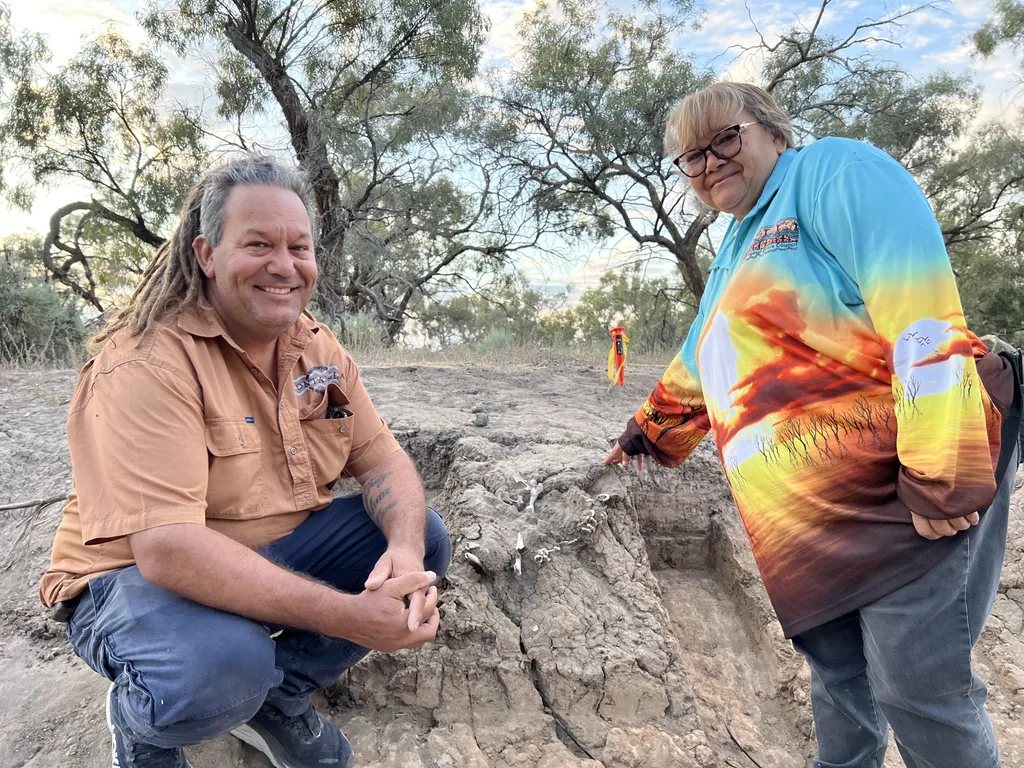
Credit: Dr Amy Way / Australian Museum
A Burial Unlike Most Animal Graves
Animal remains are commonly discovered at archaeological sites around the world. However, intentional burials are far less common, especially those showing signs of ceremonial behavior.
In this case, researchers identified a carefully prepared grave containing the remains of a dingo that appeared to have been deliberately buried rather than discarded. The positioning of the skeleton suggested that considerable care had been taken during the burial process.
What truly captured the attention of scientists was the evidence found within and around the grave. Analysis revealed traces that indicated food had been placed at the burial site after the animal’s death.
Such evidence is exceptionally rare because organic materials often decompose completely over time. The survival of these traces has provided archaeologists with a unique opportunity to reconstruct activities that occurred nearly a millennium ago.
The findings suggest that people may have revisited the burial site multiple times, leaving food offerings as part of a ritual practice connected to memory, respect, or spiritual beliefs.
Ritual Feeding and Ancient Beliefs
Across many ancient cultures, food offerings have played a significant role in funerary traditions. Archaeologists have documented similar practices in human burials throughout Africa, Asia, Europe, and the Americas.
Food offerings often symbolize care for the deceased, provide sustenance for a spiritual journey, or represent ongoing bonds between the living and the dead. Discovering evidence of such practices associated with an animal burial raises fascinating questions about how this particular dingo was perceived within its community.
Researchers believe the placement of food near the grave was likely intentional rather than accidental. The pattern of remains found at the site suggests deliberate human activity rather than natural deposition caused by scavengers or environmental processes.
If confirmed, this would represent one of the strongest pieces of archaeological evidence indicating that ritual feeding practices were directed toward an animal in prehistoric Australia.
Such behavior suggests that the dingo may have held a special social or symbolic status, perhaps functioning as a hunting companion, spiritual protector, or beloved member of the community.
More Than a Working Animal
Modern societies often divide animals into categories such as pets, livestock, or wildlife. Ancient cultures, however, frequently viewed animals through a far more complex lens.
For many Indigenous Australian groups, animals were deeply woven into spiritual traditions, Dreaming stories, kinship systems, and daily life. Certain species carried symbolic importance that extended beyond practical value.
The carefully conducted burial and possible ritual offerings indicate that this dingo was more than a useful hunting partner. It may have occupied a respected place within the social and spiritual framework of the community.
Some archaeologists compare such burials to discoveries elsewhere in the world where dogs were interred with humans or given individual graves. These examples often suggest emotional attachment and cultural significance rather than simple economic utility.
The Australian dingo burial adds an important chapter to this growing body of evidence showing that ancient peoples frequently formed meaningful relationships with animals.
What this Discovery Tells Us About Human History
Beyond the story of a single animal, the burial offers insights into broader aspects of human behavior. Rituals surrounding death are often considered among the most revealing indicators of a society’s values and beliefs.
The effort invested in burying the dingo, combined with evidence of continued interaction with the grave, suggests that the community maintained a lasting connection to the animal after its death.
This reflects qualities that remain familiar today: grief, remembrance, respect, and the desire to honor companions who played important roles in our lives.
While separated by nearly a thousand years, the emotions implied by this burial may not be so different from those experienced by modern pet owners who hold memorial services, preserve keepsakes, or visit the graves of beloved animals.
The discovery serves as a powerful reminder that the bonds between humans and animals have deep roots extending far into the past.
A Rare Glimpse Into Australia’s Past
Archaeological evidence of ritual behavior is often difficult to interpret because it relies on clues that survive thousands of years of environmental change. The exceptional preservation of this burial has provided researchers with a rare opportunity to explore practices that would otherwise remain invisible.
As scientists continue to study the site, additional analyses may reveal more details about the dingo’s age, health, diet, and role within the community. Future discoveries could further illuminate how Indigenous Australians interacted with animals and how those relationships influenced cultural traditions.
For now, the 950-year-old burial stands as one of the most intriguing examples of human-animal relationships ever uncovered in Australia. It reveals a world in which a dingo was not merely another animal, but a respected companion whose memory appears to have been honored through ritual acts long after death.
Nearly a millennium later, the grave continues to tell a story of loyalty, connection, and the enduring bond between humans and the animals that share their lives.
This article is based on research published in Australian Archaeology and official information released by the Australian Museum, the University of Sydney, and collaborating researchers involved in the study of the 950-year-old dingo burial site along the Baaka (Darling) River in New South Wales, Australia, along with reports from archaeological and scientific publications covering this unique evidence of human–animal relationships and mortuary practices.
Written by Hidden Civilizations Editorial Team