A rare archaeological discovery in the Keshikchidagh Mounds Valley of Azerbaijan is offering fresh insights into the military hierarchy and craftsmanship of the South Caucasus during the Middle Bronze Age.
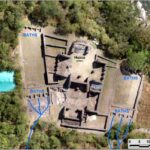
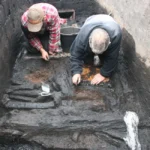
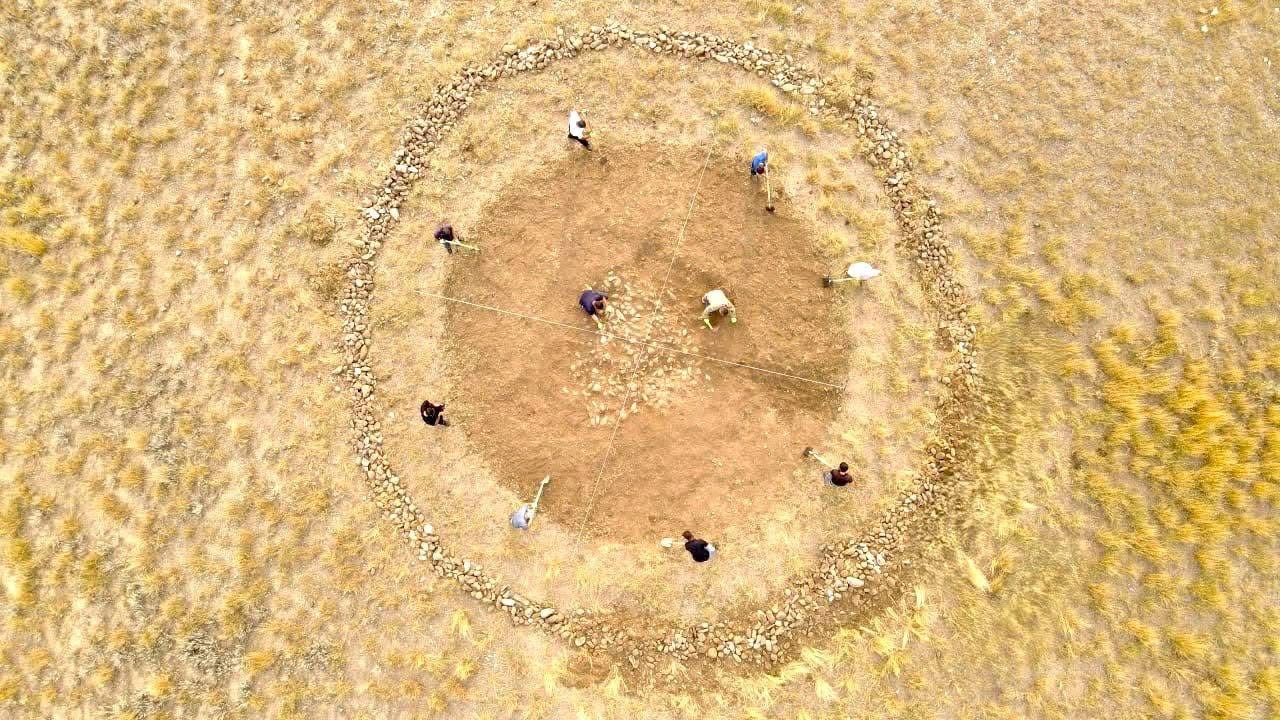
Excavations at Kurgan No. 4 in the Sariyokhush area—part of the ‘Keshikchidag’ State Historical and Cultural Reserve in the Agstafa district—have revealed the burial site of a high-status military leader or tribal commander dating back approximately to the 17th–16th centuries BCE (roughly 3,600 years ago).
Key Archaeological Findings
Led by Dr. Vagif Asadov from the Institute of Archaeology and Anthropology of the Azerbaijan National Academy of Sciences (ANAS), the research team unearthed several remarkable artifacts from the stone-covered burial mound:
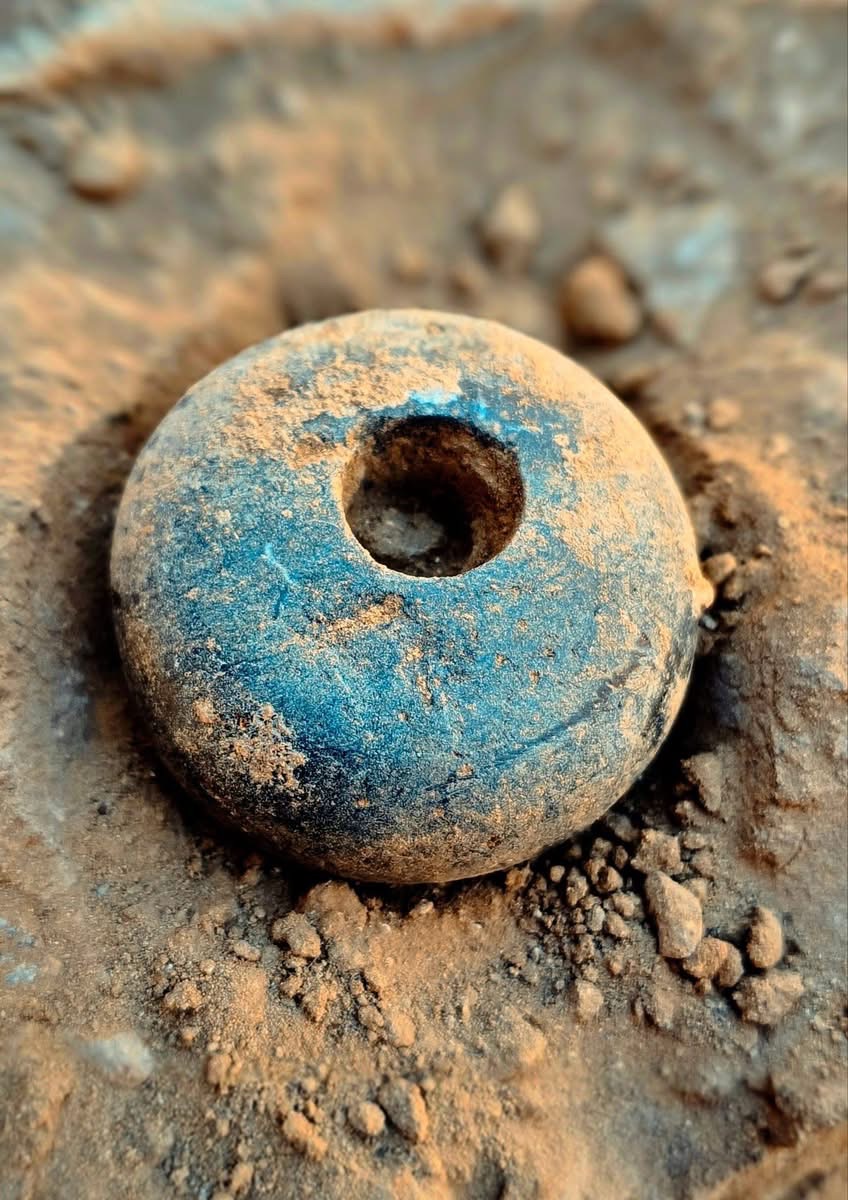
The Diorite Mace Head: Weighing 400–500 grams, this finely polished, symmetrical stone mace features a centrally drilled hole designed for a wooden or bone handle. Archaeologists note that it served as a powerful symbol of military elite authority and ceremonial status rather than a simple weapon.
The Bronze Dagger: A key indicator that the individual buried held a prominent position as a warrior or military commander.
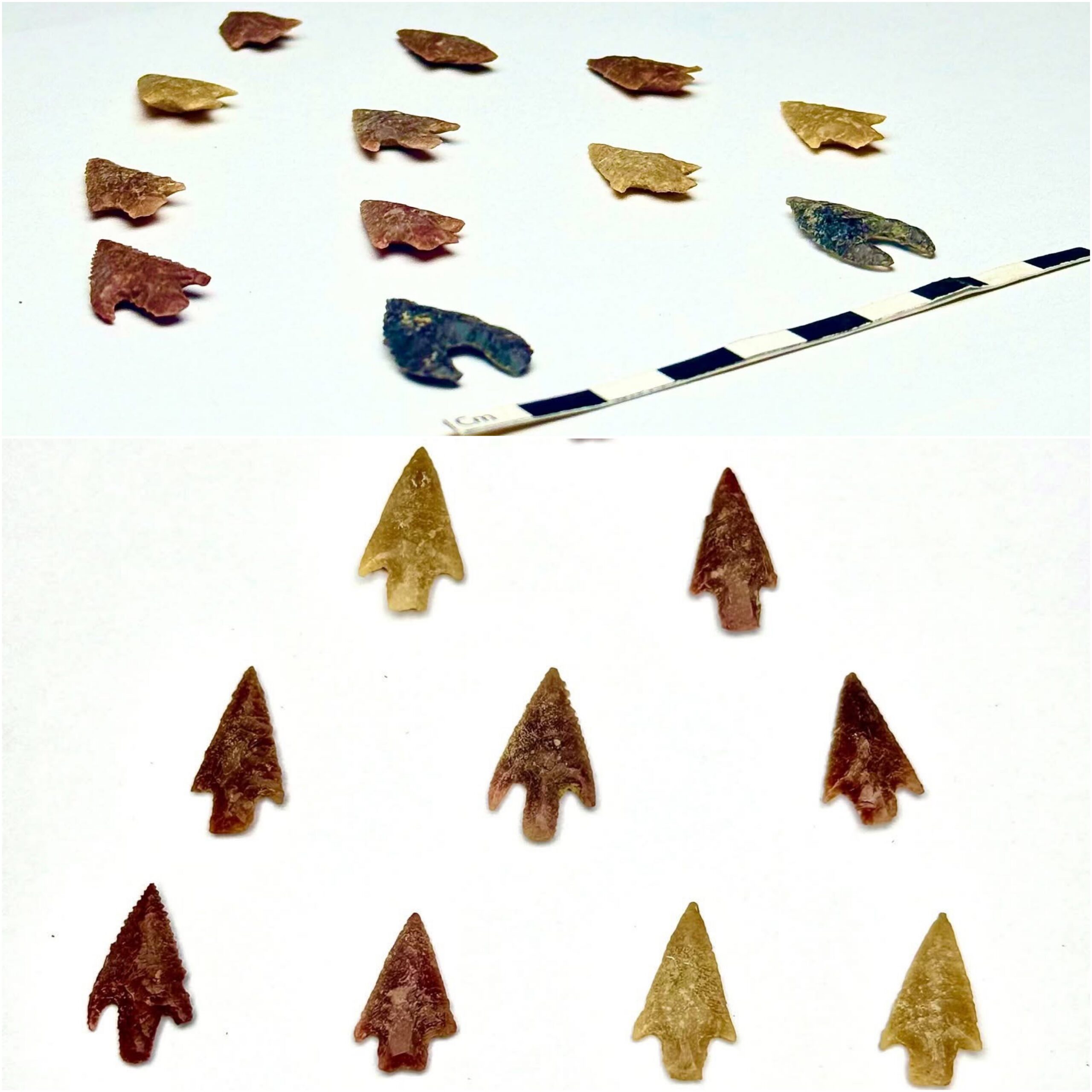
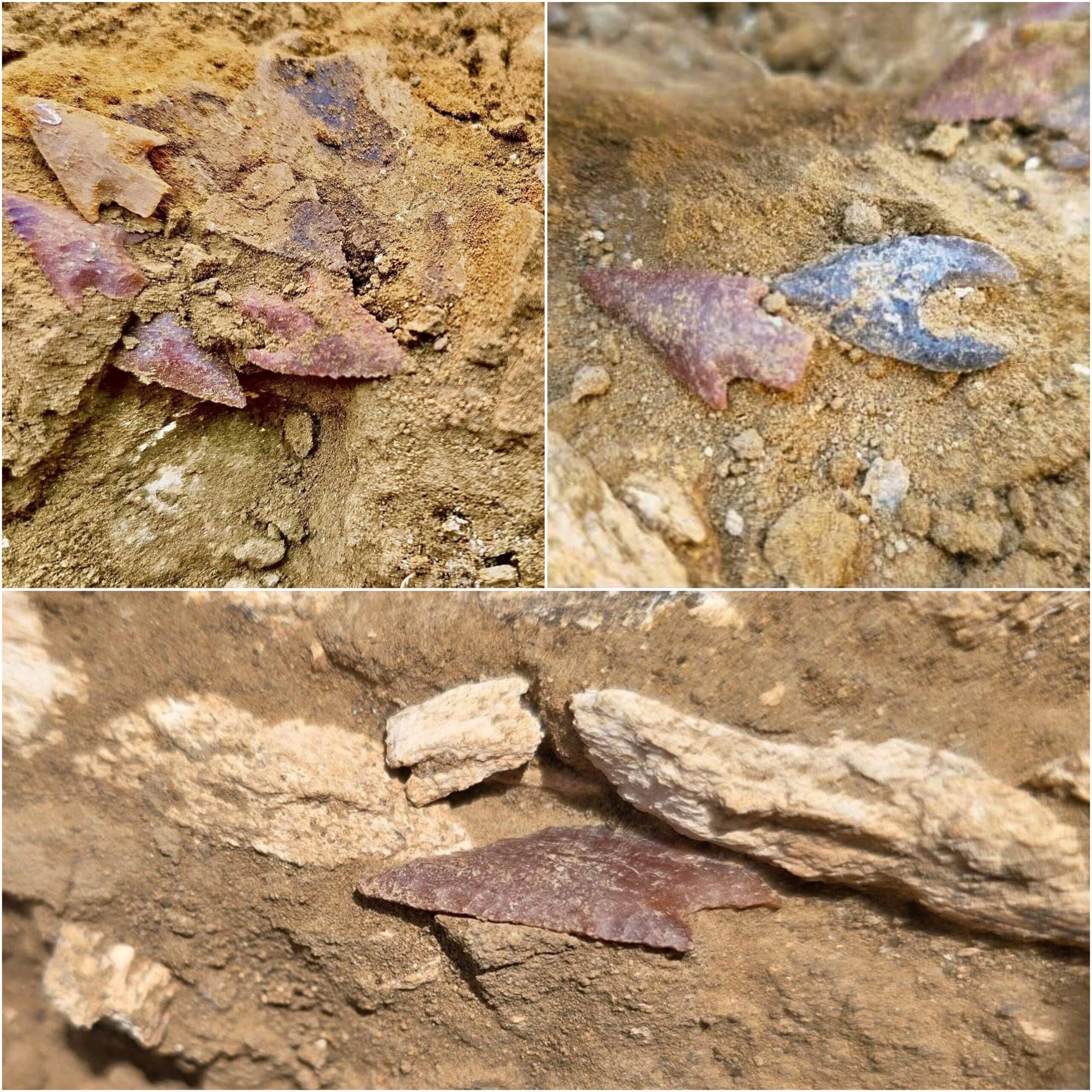
Advanced Weaponry: The discovery includes rare winged arrowheads, two black obsidian arrowheads highlighting regional trade networks, and nine exquisitely crafted dark oak-red flint arrowheads.
International Collaboration and Future Research
The excavation is part of the broader ‘Scientific Archaeological Excavations and Summer School 6 in Keshikchidagh’ project. Coordinated by state cultural authorities and ANAS, the initiative actively involves students and young volunteers, blending field education with historical preservation.
To establish the absolute age and precise origins of the findings, the recovered samples will be sent for advanced radiocarbon analysis to prestigious international institutions, including:
The Tokyo University Museum Center (Japan)
TİKA (Türkiye)
The Woods Laboratories at the University of Miami (USA)
Once laboratory processing and preliminary restorations by reserve staff are complete, these artifacts will be integrated into the reserve’s permanent collection, boosting both scientific understanding and cultural tourism in the region.
Would you like to tailor this story into a specific format, such as a shorter social media post or an engaging newsletter blurb?
Unlocking the Secrets of Bronze Age Nomadism
The discovery in the Jeyranchol area is particularly valuable because it sheds light on the lives of tribal confederations that lived a nomadic and semi-nomadic lifestyle in the South Caucasus for millennia. While sedentary settlements are often easier to trace, burial mounds (kurgans) provide crucial time capsules into the social hierarchy, trade routes, and ritual practices of mobile communities.

Social Stratification: The inclusion of an authority symbol—the diorite mace head—alongside defensive and offensive weaponry confirms a stratified society where military leaders held distinct political and social power.
Ancient Trade Networks: The presence of obsidian arrowheads proves that these ancient communities were plugged into wider trade circuits, sourcing raw materials from distant volcanic deposits across the region.
Stonemasonry Mastery: The symmetry, balance, and polish of the 400–500 gram mace head highlight an advanced level of craftsmanship and specialized artisanal skill during the Middle Bronze Age.
Empowering the Next Generation of Historians
Beyond the physical artifacts, the ongoing project at Keshikchidagh serves a vital educational role. By embedding university students, master’s candidates, and young volunteers directly into the field under the supervision of seasoned specialists, the ‘Scientific Archaeological Excavations and Summer School’ initiative is actively cultivating the next generation of Azerbaijani archaeologists and heritage conservationists.
Boosting Cultural Tourism
As the recovered ceramics and metals undergo meticulous restoration by the reserve’s specialized staff, plans are underway to accession them into the Keshikchidagh State Historical and Cultural Reserve’s permanent fund. By combining cutting-edge international radiocarbon dating—utilizing laboratories in the US, Japan, and Türkiye—with local preservation efforts, the site is rapidly transforming into a major hub for cultural and archaeological tourism in the South Caucasus.
Written by Hidden Civilizations Editorial Teama