Thousands of years before written history, agriculture, cities and organized societies transformed human life, people were already experimenting with plants that could change how they felt. New archaeological evidence from Indonesia suggests that one of these ancient habits may be far older than researchers previously imagined. Teeth belonging to people who lived during the Ice Age appear to preserve evidence of the early use of betel nut, a psychoactive substance that is still consumed by millions of people today.
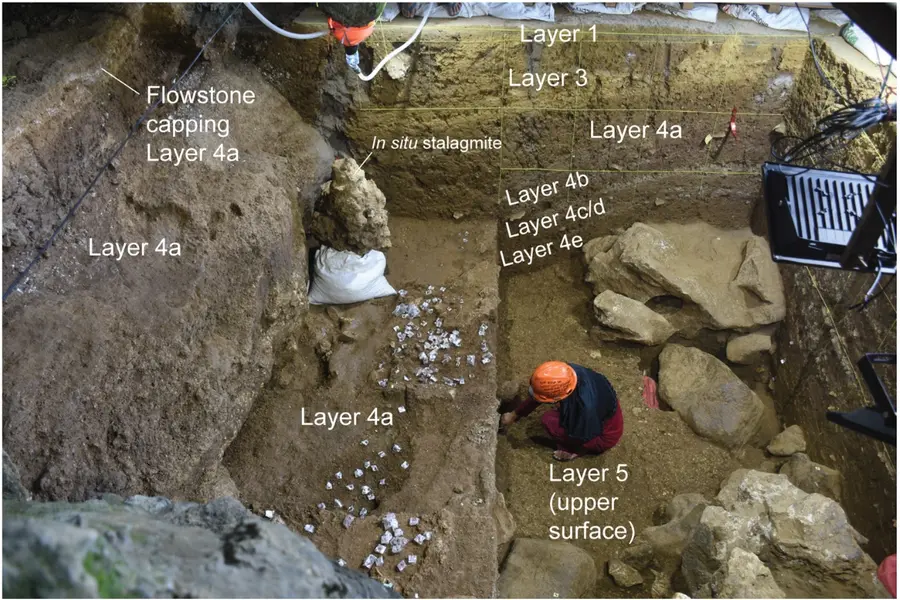
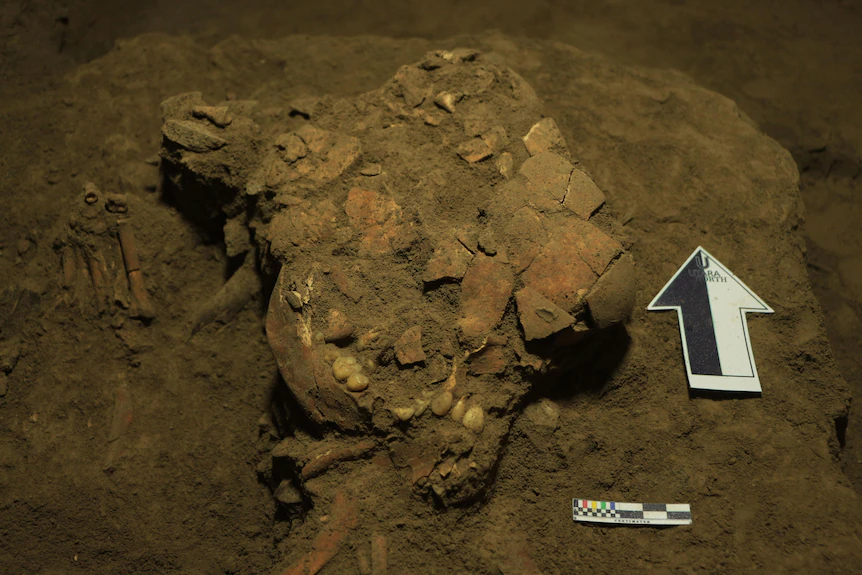
The discovery was made in South Sulawesi, where archaeologists examined ancient human remains and noticed unusual patterns of wear on several teeth. The marks were not the kind of damage normally associated with eating food. Instead, the teeth had deep, rounded grooves that suggested the individuals had repeatedly held something hard and rounded in their mouths. After comparing the shape of the damage with known examples of dental wear, researchers began to consider whether the object could have been an areca nut, commonly known as betel nut.
The oldest of the individuals studied lived somewhere between about 25,000 and 16,000 years ago. Another individual, found at the same archaeological site, lived much later, between approximately 7,600 and 6,300 years ago. Despite the large gap in time, both showed similar patterns of dental wear. This was an important clue because it suggested that the behavior was not simply an isolated event but could have been a repeated practice.
Areca nuts come from the Areca catechu palm and contain a psychoactive chemical called arecoline. Today, the nuts are commonly used as part of betel quid, a preparation that can also include betel leaves, slaked lime and other ingredients. Chewing or holding the mixture in the mouth produces stimulating effects and can create feelings of alertness and mild euphoria. After alcohol, caffeine and nicotine, areca products are generally considered one of the most widely used psychoactive substances in the world.
What makes the Indonesian discovery especially interesting is how different the ancient practice appears to have been from the traditional preparations familiar today. The researchers suggest that the Ice Age inhabitants may have simply sucked on whole areca nuts rather than preparing them into a complex betel quid. Experiments carried out as part of the study found that arecoline can be released from the nut when it comes into contact with saliva, meaning that chewing the nut into small pieces would not necessarily have been required for its psychoactive compounds to enter the body.

enshot
The condition of the ancient teeth provides another important piece of the story. Some of the individuals had severe dental damage, in some cases reaching deep enough to expose the inner part of the tooth. Such damage would have been extremely painful. Because areca contains compounds that can produce pain-relieving effects, the researchers suggest that people may have discovered its usefulness partly through trying to deal with toothache or other discomfort.
That possibility creates an interesting picture of prehistoric life. Someone suffering from painful teeth may have noticed that a particular seed changed the sensation of pain or produced a stimulating effect. Repeated use could then have become a habit. Over time, that habit may have been passed from one person to another and eventually become part of a wider cultural tradition. The people living in Sulawesi thousands of years ago obviously had no knowledge of the chemistry involved, but they would have been able to recognize through experience that the plant had a noticeable effect on the body.
The researchers also found chemical evidence supporting their interpretation. Analysis associated with the ancient teeth provided evidence connected to arecoline, giving the researchers another reason to believe that the unusual dental marks were related to the consumption of areca. When combined with the shape of the grooves and experimental work on how the nuts behave in saliva, the evidence points toward repeated use rather than an accidental encounter with the plant.
The age of the remains is what makes the discovery particularly significant. Archaeological evidence for the use of psychoactive substances is often associated with much later societies, especially after the development of agriculture. The Sulawesi evidence potentially takes the story back more than 20,000 years earlier than many of the better-known examples of organized plant use.
This does not necessarily mean that these were the first humans to ever experiment with a psychoactive plant. Earlier people may have used many plants whose remains simply did not survive. Organic materials are particularly difficult to preserve over such enormous periods of time, and prehistoric drug use can leave almost no archaeological trace. In this case, however, the teeth provided an unusual record of behavior that would otherwise probably have disappeared.
Teeth can be remarkably informative archaeological evidence. They can reveal what people ate, whether they suffered from certain diseases and even how they used their mouths in everyday life. Repeatedly holding a hard object between the teeth can eventually leave distinctive marks, effectively creating a record of a person’s habits. In Sulawesi, those marks may have preserved evidence of a practice that began during the last Ice Age.
The discovery also offers a glimpse into the much longer history of betel use. The tradition of consuming areca nut eventually became deeply rooted in many communities across South and Southeast Asia and the Pacific, where betel products have been used socially, culturally and ceremonially for centuries. Modern preparations are much more sophisticated than simply sucking on a whole nut, but the basic relationship between people and the plant may stretch back tens of thousands of years.
There is also an important difference between understanding the ancient practice and looking at betel nut only through its modern health risks. Today, long-term areca use is strongly associated with serious health problems, including oral cancer. The prehistoric people who first discovered its effects could not have understood these long-term consequences. Their experience would have been based entirely on what they could observe: how the substance tasted, how it made them feel and perhaps how it affected pain.
In that sense, the ancient teeth from Sulawesi tell a story that goes beyond the history of one particular plant. They show how closely prehistoric humans interacted with their environment and how much knowledge could be gained through observation and experimentation. Long before written medicine or modern pharmacology existed, people were already discovering that certain plants could have powerful effects on the human body.
The evidence from these ancient teeth now suggests that the relationship between humans and psychoactive substances may reach much deeper into prehistory than previously thought. Somewhere in Ice Age Sulawesi, people were apparently experimenting with a small, hard seed whose effects would eventually become part of one of the world’s longest-lasting traditions of psychoactive plant use.
Thousands of years later, the habit is still practiced in parts of the world. And remarkably, the earliest clues to its history have survived in the teeth of people who lived during an entirely different world — a world of hunter-gatherers, changing climates and vast landscapes, long before the first civilizations appeared.
Written by Hidden Civilizations Editorial Team