When a homeowner in the quiet northeastern French village of Sens decided to embark on a routine extension and renovation of his property, he certainly didn’t expect his backyard to sit atop one of the greatest numismatic mysteries in recent memory. What began as a legally mandatory preventive archaeological excavation before construction quickly blossomed into a world-class archaeological sensation. Beneath layers of soil and ancient building remnants, experts unearthed three ceramic jars packed with a staggering 40,000 bronze and copper Roman coins. Yet, this discovery is far more than just a tale of hidden treasure—it offers a fascinating window into everyday finances, economic manipulations, propaganda, and the dramatic end of a Roman neighborhood precisely 1,700 years ago.
Land Rich in Ancient Memory: From a Celtic Tribe to a Roman Urban Center
The village of Sens, located in the Grand Est region of northeastern France, was an important hub long before the Roman invasion. In ancient times, this area belonged to the territory of the powerful Celtic tribe known as the Mediomatrici, who inhabited these lands during Julius Caesar’s famous Gallic Wars. However, with the expansion of the Roman Empire, the settlement underwent a complete transformation, evolving into an urban center complete with developed infrastructure, stone houses, workshops, and even sophisticated underfloor heating systems (hypocausts) that testified to the high standard of living of its local residents.
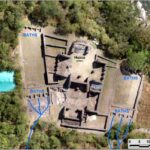
In accordance with French cultural heritage protection laws, any construction project in areas with high historical potential must be preceded by detailed archaeological excavations. Thus, a team from the French National Institute for Preventive Archaeological Research (Inrap) launched excavations across an area of approximately 1,500 square meters. What they discovered exceeded all expectations—revealing not just the layout of the settlement, but a systematic network of household financial reserves maintained over decades.
The Three Ceramic Jars: Ancient “Banking Safes” Rather Than a Hasty Loot
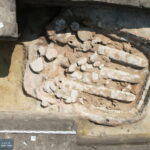
At the heart of the discovery are three large ceramic jars (amphorae) buried in specially prepared pits directly beneath the floor structures of Roman houses. However, archaeologists emphasize a crucial distinction compared to traditional historical “treasures”: these jars were not hidden in a panic due to an invading army.
The way they were positioned speaks to an entirely different purpose:
Vertical Position and Stability: The jars were placed flat and upright, carefully supported by special limestone rocks to prevent them from tipping over or shifting in the earth.
Neck Accessibility: The upper portion (neck) of the jars was positioned flush with the level of the room’s floor, meaning they functioned as a sort of ancient “drawer safe” or household cash box that the owners could easily access daily.
Adding Coins on the Fly: The strongest proof that these jars were actively used is the fact that coins were found stuck to the outer walls and rims from damp soil before the pits were completely sealed. This shows that households regularly added and withdrew funds from them.
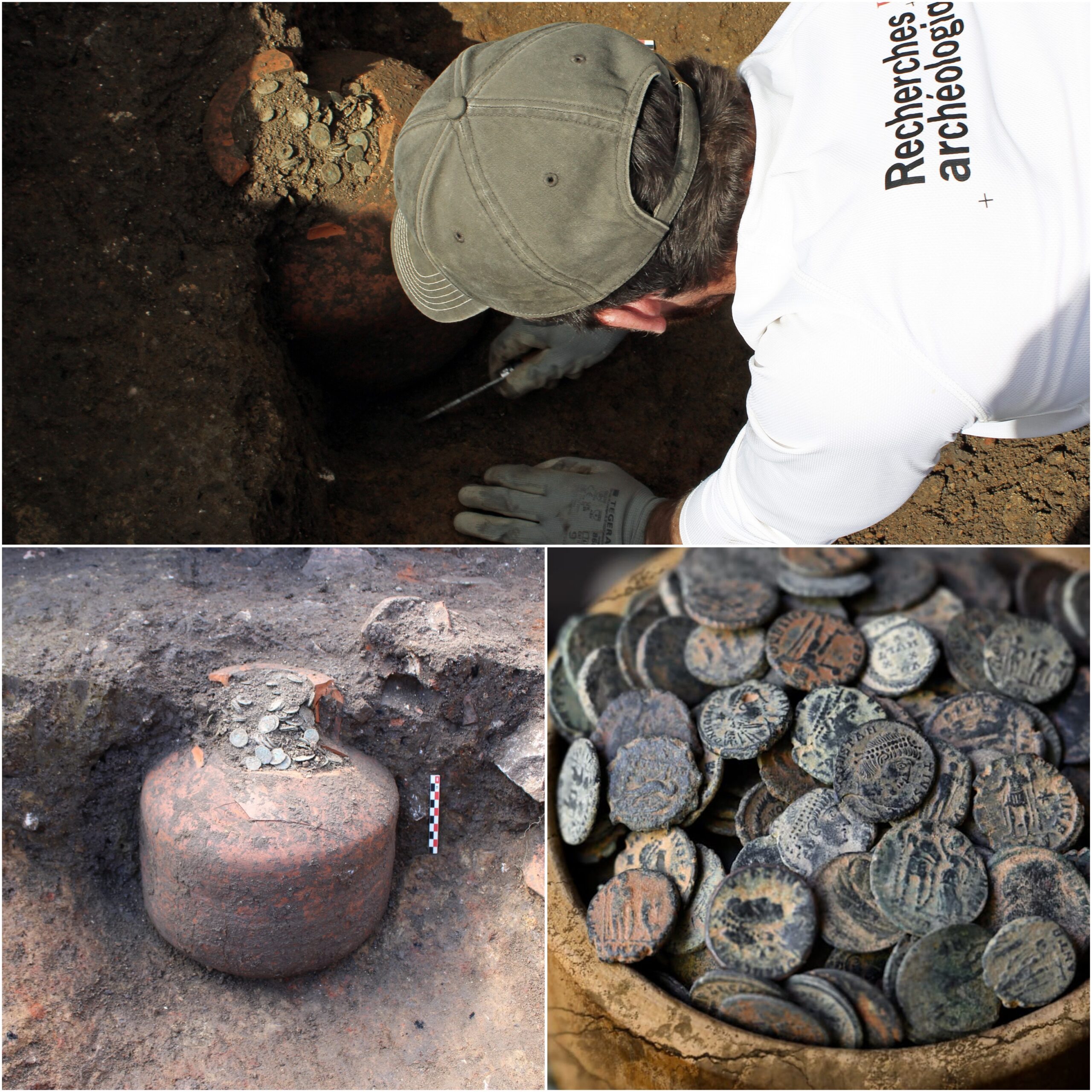
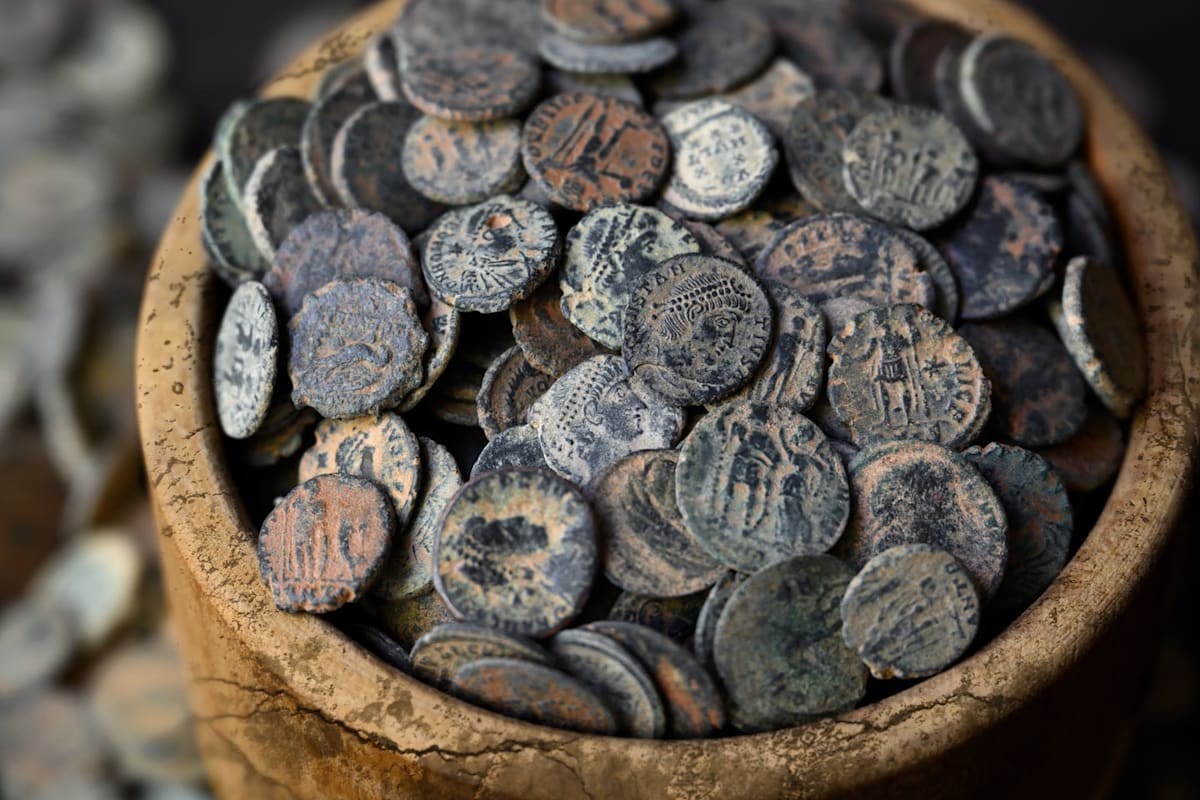
Archaeologists uncovered more than 40,000 Roman coins buried in three ceramic containers at the ancient site of Senon. The discovery dates to roughly 1,700 years ago.
The quantities were impressive. The first jar alone weighed about 38 kilograms and contained between 23,000 and 24,000 individual bronze and copper coins. The second jar was even heavier (weighing around 50 kilograms with its contents) and is estimated to have concealed between 18,000 and 19,000 coins. The third jar, meanwhile, was found empty with only a few stray coins left at the bottom, indicating it had been opened and emptied back in antiquity.
The Time of Crisis: The Gallic Empire, Counterfeits, and Imperial Propaganda
The numismatic analysis of these 40,000 coins, led by Inrap expert Vincent Geneviève, opened new chapters in understanding the Roman economy in the late 3rd century AD.
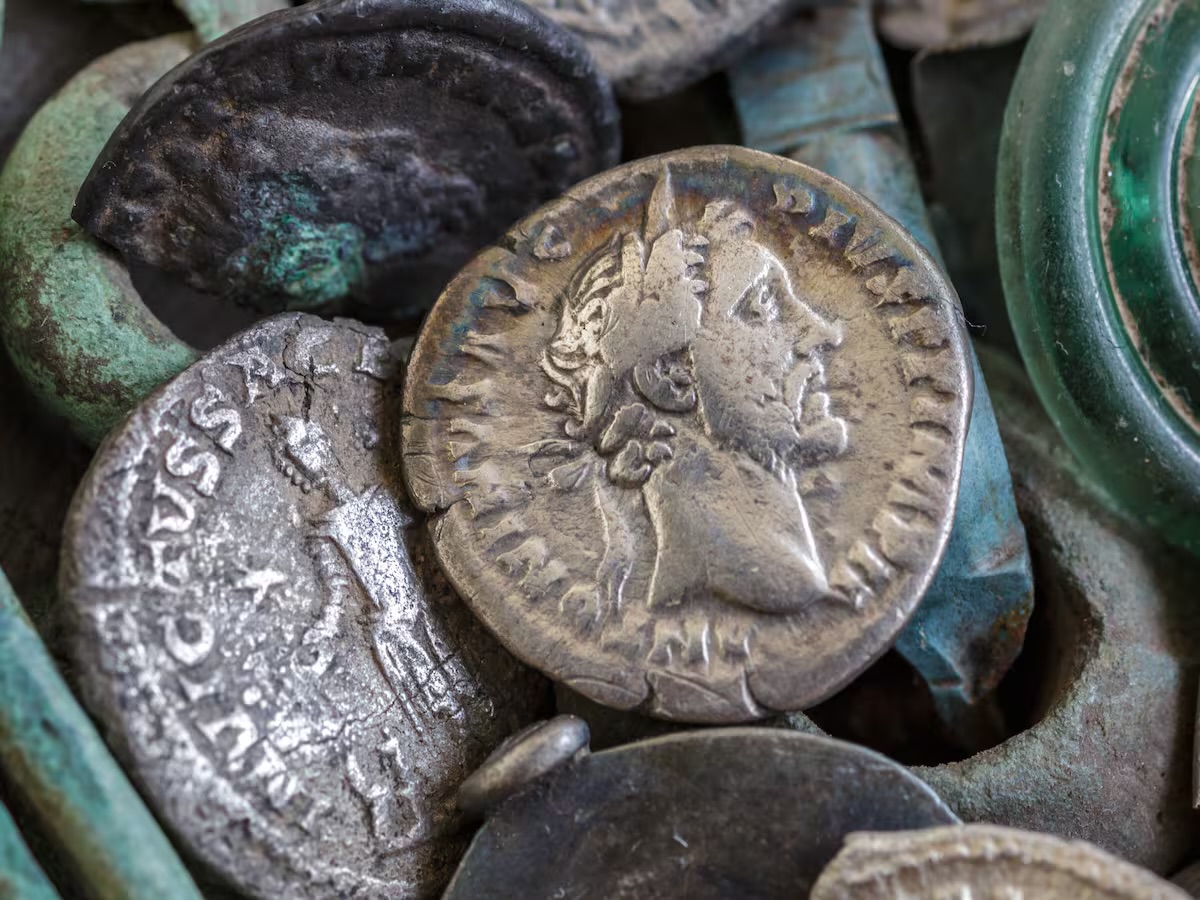
The coins bear the portraits of rulers from the so-called Gallic Empire (Imperium Galliarum)—a breakaway Roman territory that functioned independently from 260 to 274 AD under emperors like Victorinus, Tetricus I, and his son Tetricus II. Although this breakaway state was militarily conquered and brought back under Roman control by Emperor Aurelian in 274 AD, the analyses showed that these coins continued to be massively used in everyday circulation for decades afterward. The final deadline for their ultimate burial has been dated between 280 and 310 AD.
Among the masses of coins, archaeologists encountered genuine surprises:
1. Massive Counterfeits: The waterfall of bronze pieces contained a high percentage of ancient counterfeits, showing how the local population managed amidst hyperinflation and the continuous devaluation of official Roman currency.
2. Propaganda Issues: Special propaganda pieces were also discovered—including coins bearing the portrait of Roman Emperor Claudius II, which were deliberately minted long after his death to maintain a specific political narrative or regional stability.
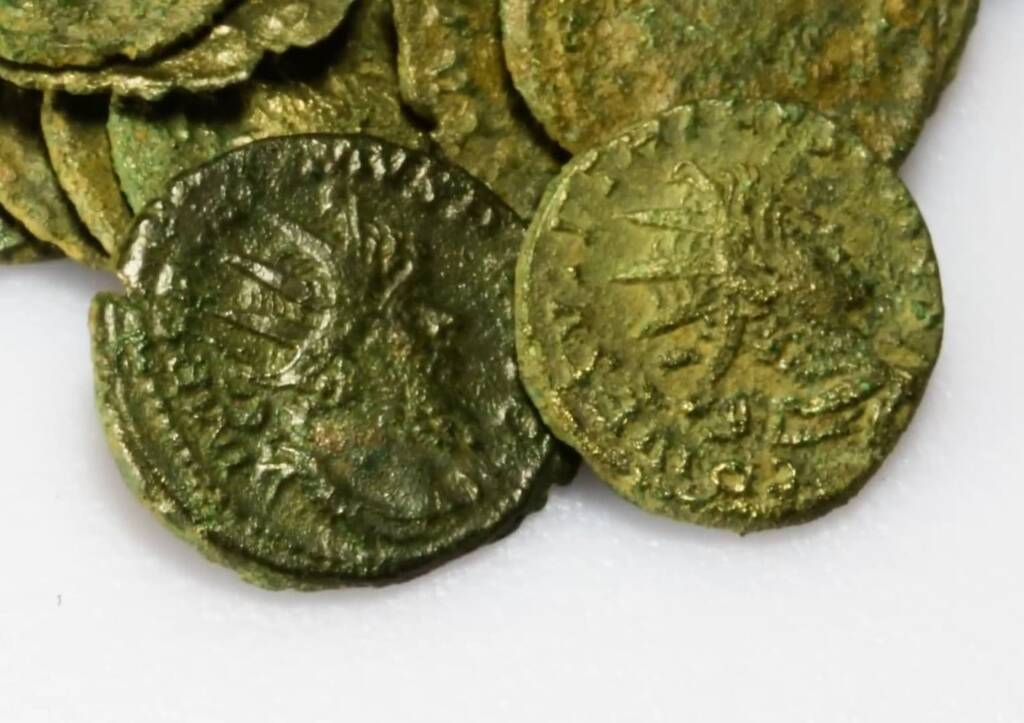
Ancient molds provide clues about the techniques used to produce imitation coins. Such objects help researchers reconstruct the process of Roman-era counterfeiting.
Some researchers do not rule out the possibility that these massive financial reserves were tied to military occupation and administration in Sens, as remnants of military fortifications from the same period were found just 150 meters away.
Why Did No One Return for the Savings? The Devastating Fires That Wiped Out the Town
If these jars were everyday household “safes,” why did the owners never retrieve their money? The answer lies in the dark and dramatic fate of the settlement itself.
Archaeological layers showed that at the beginning of the 4th century, this prosperous neighborhood was struck by a catastrophic fire. Although the residents did not give up and demonstrated remarkable resilience—clearing the ruins and building new structures atop the old foundations—a few decades later, another destructive disaster hit the location.
The second major fire proved decisive. The population permanently abandoned the site, the houses collapsed, and the yards filled with earth and ash. Thus, the ceramic jars remained trapped underground, waiting centuries for modern tools and scientific curiosity.
Modern Technology Preserving Ancient History
After the site was thoroughly documented using state-of-the-art 3D digital models and precise architectural maps, the artifacts were carefully extracted for conservation and further laboratory analysis. Ultimately, the space was neatly restored to its original condition so the property owner could continue construction work.
The discovery in Sens remains one of the rarest and most valuable examples in European archaeology where money containers are found in their original context. It allows us to look deep beneath the surface of the empire and see how ordinary people in times of crisis, uncertainty, and political upheaval managed to survive, save, and build lives through sheer perseverance.
Written by Hidden Civilizations Editorial Team