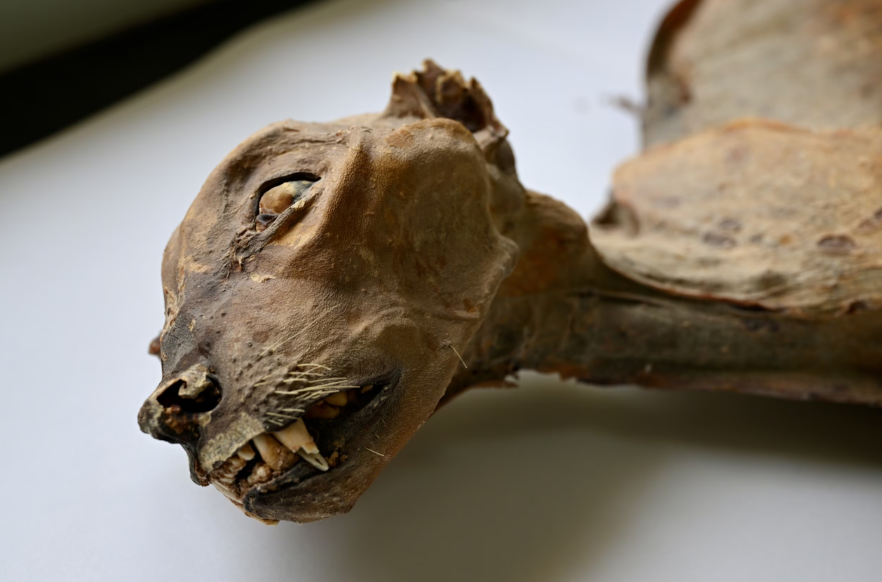
A remarkable archaeological discovery in northern Saudi Arabia has provided scientists with an unprecedented glimpse into the history of cheetahs that once roamed the Arabian Peninsula. Researchers have uncovered naturally mummified cheetahs along with dozens of skeletal remains inside a network of desert caves, allowing them to study ancient DNA from a population that disappeared centuries ago.
The discovery is considered one of the most significant findings related to the evolutionary history of cheetahs in the Middle East. Thanks to the exceptionally dry climate inside the caves, several of the animals were naturally preserved, giving scientists a rare opportunity to analyze their genetic material.
A Rare Discovery in the Arabian Desert
The research team explored several cave sites in northwestern Saudi Arabia, where they found seven naturally mummified cheetahs and the remains of more than fifty additional individuals. Some of the specimens are estimated to be only a few hundred years old, while others date back more than 4,000 years.
Unlike artificial mummies created by ancient civilizations, these animals were preserved naturally. The caves’ dry air, stable temperatures, and low humidity slowed decomposition, allowing skin, fur, and other soft tissues to survive for centuries.
Such preservation is extremely rare, especially for large wild cats, making the discovery valuable for both archaeologists and wildlife biologists.
Unlocking Ancient DNA
One of the most exciting aspects of the discovery was the successful extraction of DNA from the preserved remains. Ancient DNA is often difficult to recover because it gradually breaks down over time, especially in warm climates.
However, the unique conditions inside the caves protected enough genetic material for scientists to sequence parts of the cheetahs’ genomes. This allowed researchers to compare the ancient animals with modern cheetah populations living in Africa and Asia.
The analysis revealed that the Arabian cheetahs were genetically closest to today’s Asiatic cheetahs while also sharing similarities with northwestern African populations. These findings suggest that cheetahs once had stronger genetic connections across continents than previously believed.
Not a New Species, but a Lost Population
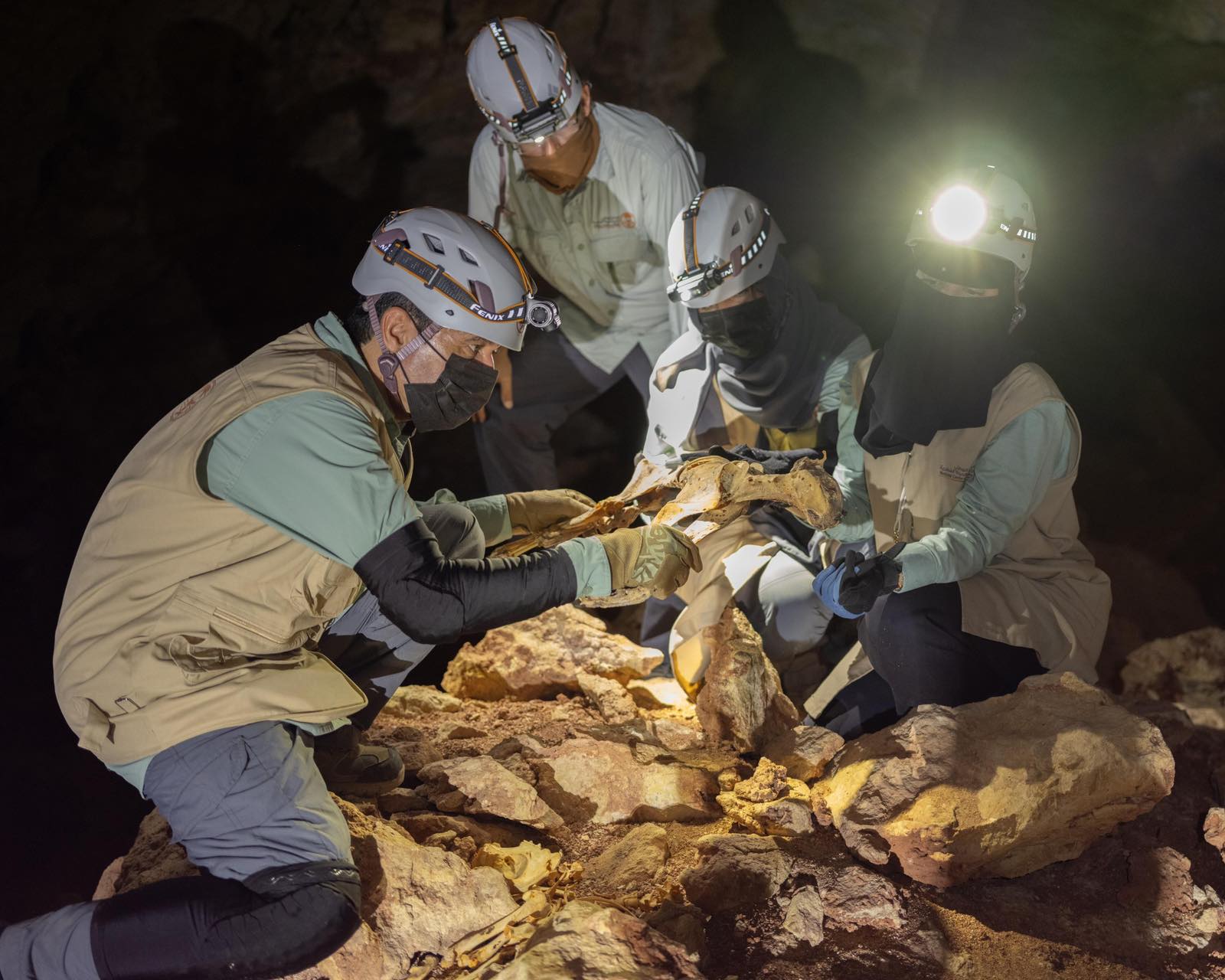
Credit: National Centre for Wildlife – Saudi Arabia
Despite some eye-catching headlines, researchers emphasize that the discovery does not represent a new species of cheetah.
Instead, the remains belong to a regional population that once lived throughout the Arabian Peninsula before gradually disappearing. Human expansion, habitat loss, hunting, and declining prey populations eventually drove these cheetahs to extinction in the region.
The last wild cheetahs in much of Arabia disappeared during the 20th century, making this discovery an important record of a population that no longer exists.
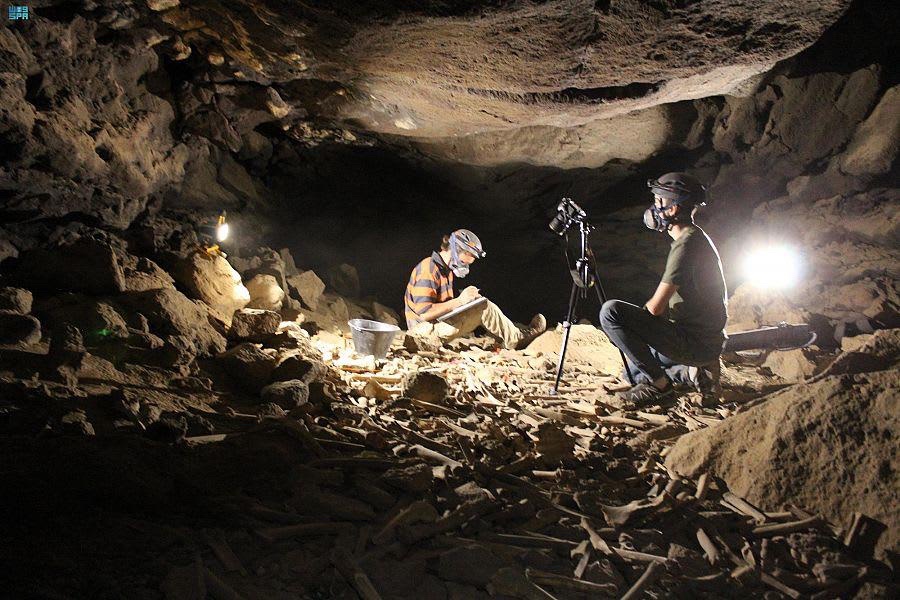
Credit: National Centre for Wildlife – Saudi Arabia
Why the Discovery Matters
Cheetahs are among the world’s most iconic predators and the fastest land animals on Earth. Despite their incredible speed, they face numerous threats, including habitat destruction, illegal wildlife trade, and shrinking prey populations.
Today, wild cheetah numbers remain relatively low compared to historical populations, making conservation efforts increasingly important.
By studying ancient DNA, researchers can better understand how cheetah populations changed over thousands of years. This information helps scientists identify how genetic diversity has been lost and may provide valuable insights for future conservation programs.
Understanding the genetic history of extinct populations could also help wildlife experts make informed decisions about protecting the remaining cheetahs and restoring habitats where they once lived.
Natural Caves as Time Capsules
The caves where the remains were discovered acted as natural time capsules. Their dry environment protected organic material that would normally decay within years.
Archaeologists say these desert caves preserve valuable evidence of animals, plants, and even past climate conditions. Every new excavation has the potential to reveal additional information about ecosystems that existed thousands of years ago.
Advances in DNA sequencing technology now allow researchers to study ancient specimens in ways that were impossible only a few decades ago.
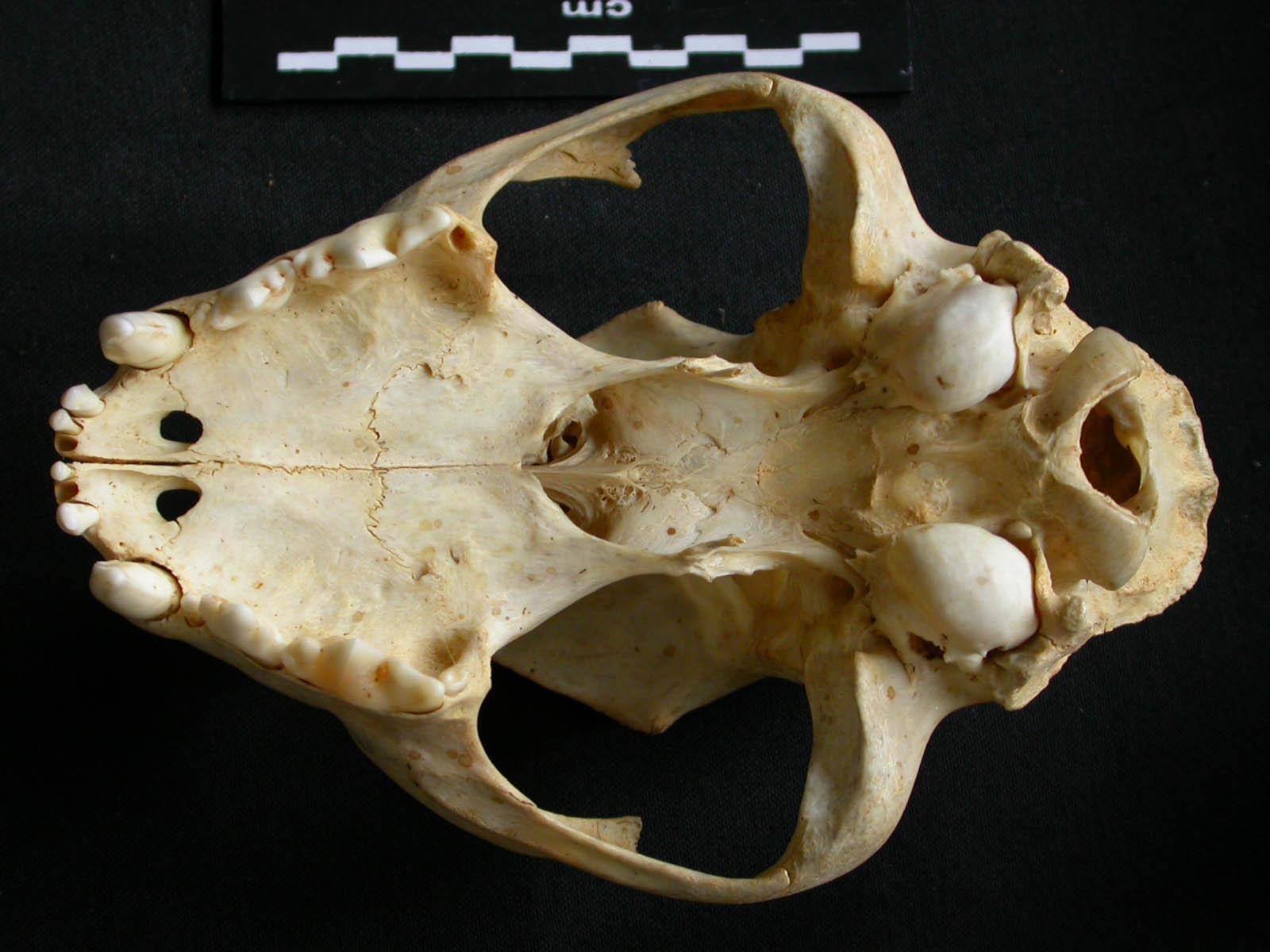
Credit: Ahmed Boug et al. / Communications Earth & Environment
A Window into the Past
The discovery provides more than just information about cheetahs. It offers scientists a better understanding of how wildlife adapted to changing climates and landscapes across the Arabian Peninsula.
Researchers believe ancient Arabia supported far more wildlife than it does today. During wetter periods, grasslands and open habitats may have provided suitable environments for predators such as cheetahs, as well as the animals they hunted.
As environmental conditions changed over thousands of years, many species either migrated or disappeared from the region.
Future Research
Scientists plan to continue studying the remaining specimens recovered from the caves. Additional DNA analysis could reveal even more about the relationships between ancient and modern cheetah populations.
Future excavations may also uncover other well-preserved animals, helping researchers reconstruct the ecological history of the Arabian Peninsula in greater detail.
The findings could contribute to international conservation projects aimed at protecting the world’s remaining cheetah populations and preserving their genetic diversity.
Looking Ahead
Although the cheetahs discovered in Saudi Arabia vanished long ago, their remains continue to provide valuable scientific information. By combining archaeology, genetics, and wildlife biology, researchers are uncovering details about species that once thrived in environments very different from those seen today.
The discovery highlights the importance of preserving archaeological sites and natural habitats alike. Every new scientific breakthrough helps build a clearer picture of Earth’s biological history while supporting efforts to protect endangered species for future generations.
As researchers continue their work, these remarkable mummified cheetahs may offer even more insights into the evolution, migration, and survival of one of the planet’s most extraordinary animals.
This article is based on archaeological and genetic research conducted by the Saudi National Center for Wildlife and collaborating institutions, along with reports from scientific and archaeological media.
Written by Hidden Civilizations Editorial Team