A remarkable archaeological discovery has emerged in southeastern Türkiye after receding water levels exposed the remains of an ancient settlement believed to be around 11,000 years old. The find is offering researchers a rare opportunity to study one of humanity’s earliest known monumental building traditions and gain new insights into the lives of prehistoric communities.
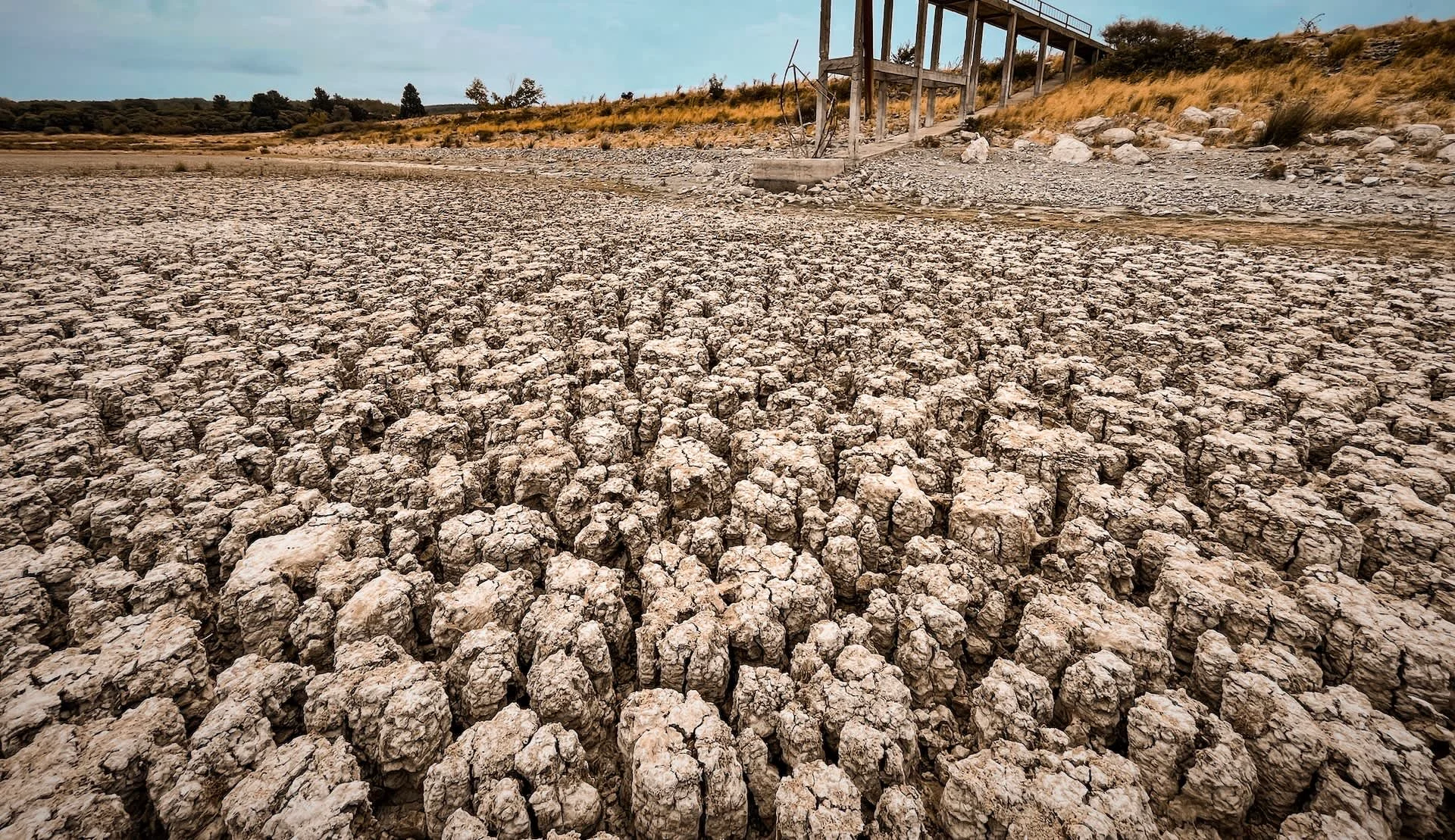
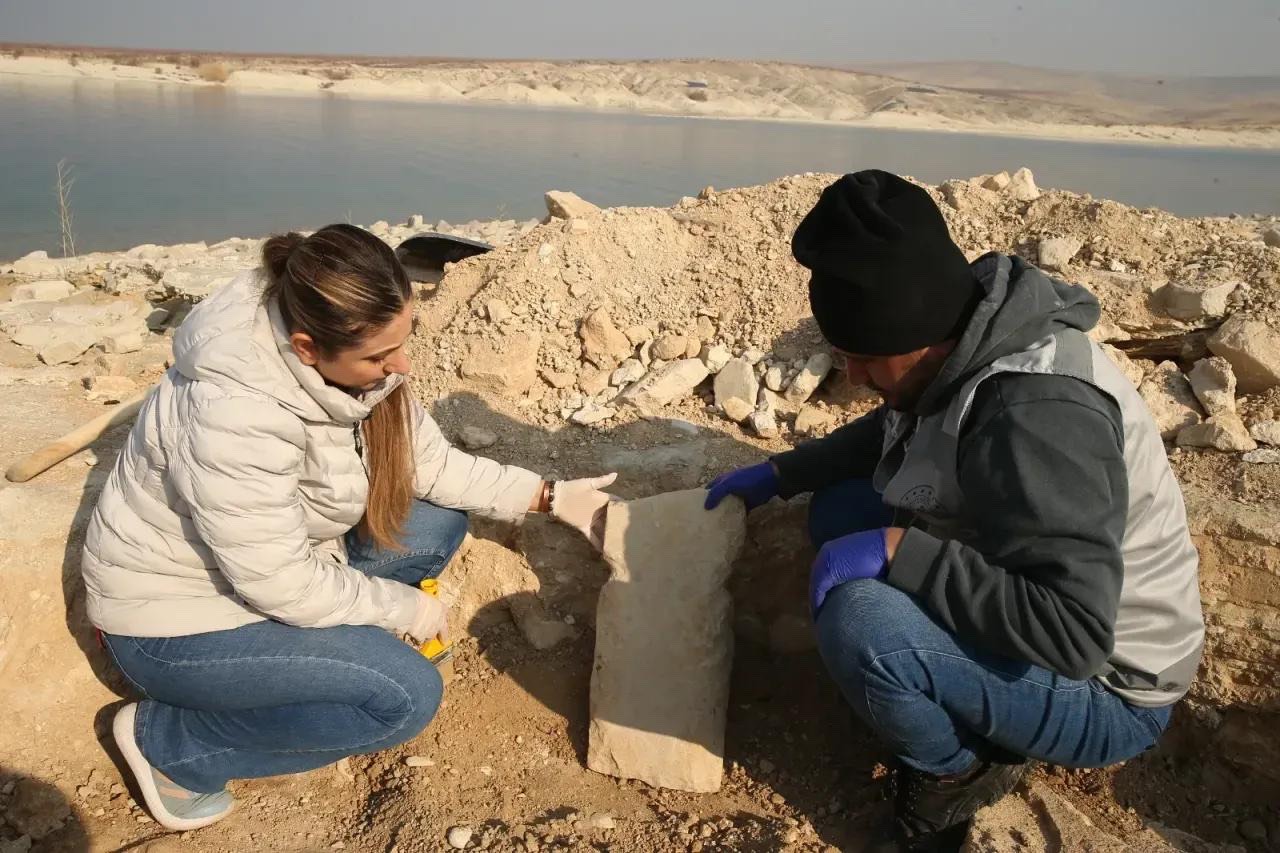
The site became visible as water levels dropped in a reservoir created by the Atatürk Dam, uncovering stone structures that had remained hidden for years. Archaeologists quickly launched rescue excavations to document the remains before changing water levels could submerge the area once again.
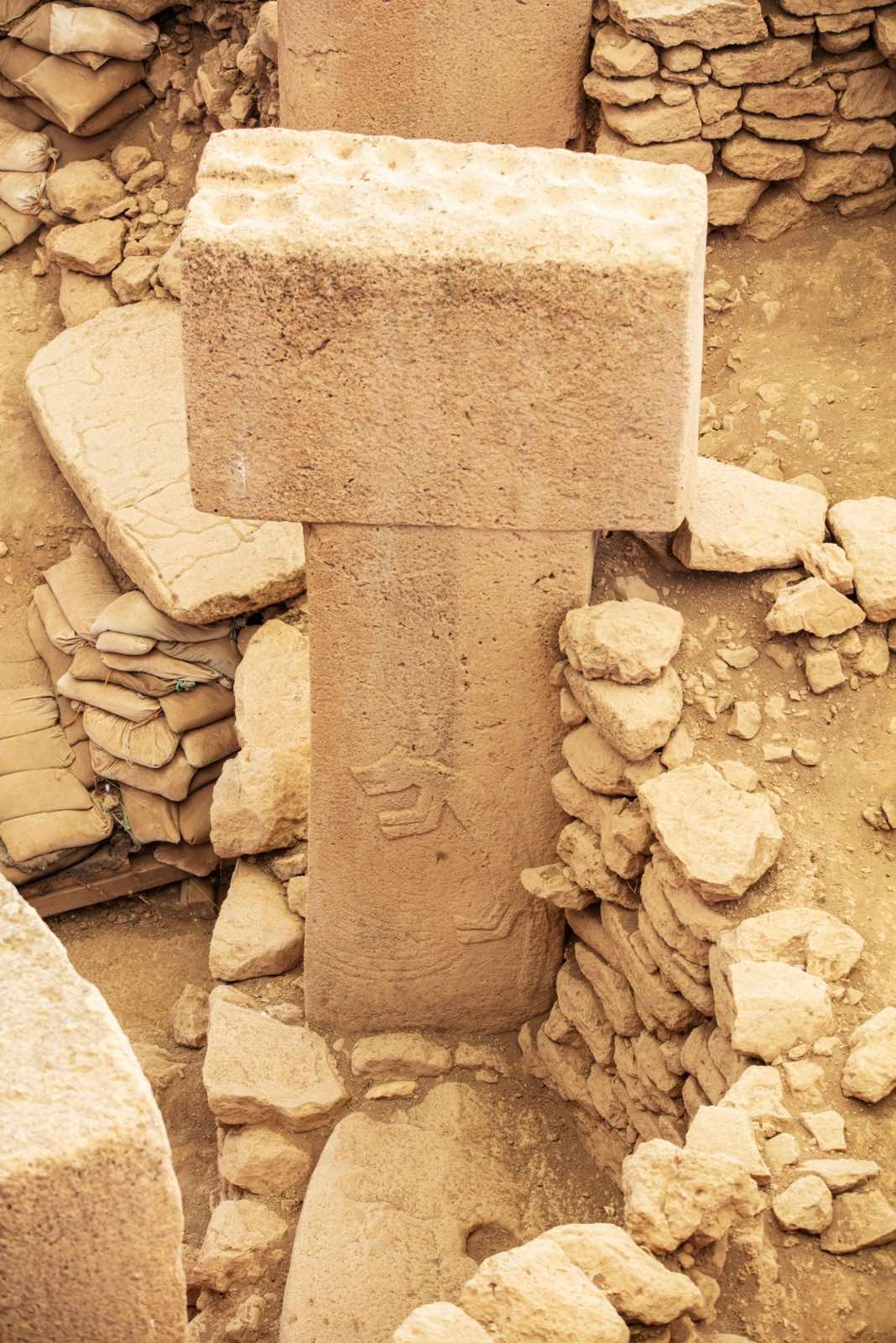
Among the most significant discoveries are several large T-shaped limestone pillars, a distinctive architectural feature associated with early Neolithic ceremonial sites in southeastern Türkiye. These pillars closely resemble those found at Göbekli Tepe, one of the world’s oldest known monumental archaeological complexes.
A Window Into Early Human Civilization
Researchers believe the newly exposed site belongs to the Taş Tepeler cultural region, a network of prehistoric settlements dating back to approximately 9,500–8,500 BCE. Over the past decade, this region has become one of the most important archaeological areas in the world for understanding the transition from hunter-gatherer societies to more organized communities.
Unlike earlier assumptions that complex construction projects only appeared after the development of agriculture, discoveries in southeastern Türkiye suggest that prehistoric people were capable of organizing large groups to build monumental stone structures long before farming became widespread.
This finding adds another important piece to the puzzle of how early societies evolved during the Neolithic period.
Why the Discovery Matters
Every newly discovered archaeological site provides researchers with valuable information about ancient life. By studying stone architecture, tools, animal remains, and other artifacts, scientists can better understand how these early communities lived, cooperated, and adapted to their environment.
Credit: Ibolya Horváth (yepyep)
The massive stone pillars are of particular interest because similar structures discovered at nearby sites often contain carvings of animals and symbolic imagery. Although the exact purpose of these monuments remains uncertain, many researchers believe they may have served ceremonial, ritual, or communal functions.
The newly uncovered site could help experts determine whether these architectural traditions were shared among multiple settlements across the region or developed independently by different communities.
No Evidence of a Lost Civilization
Sensational headlines sometimes describe discoveries like this as proof of a mysterious lost civilization or forgotten advanced society. However, archaeologists caution against such claims.
Current evidence suggests that the site represents another settlement built by early Neolithic communities whose engineering skills and social organization were more sophisticated than previously believed. Rather than rewriting history, the discovery strengthens existing scientific understanding of how complex societies gradually emerged during the Neolithic era.
Researchers emphasize that these findings fit within decades of archaeological evidence collected throughout southeastern Türkiye and continue to support established theories about early human development.
The Neolithic, also known as the New Stone Age, was the final period of the Stone Age and marked one of the most significant turning points in human history. It began around 12,000 years ago, although the exact timing varied across different regions of the world.
During the Neolithic period, humans gradually shifted from living as nomadic hunter-gatherers to establishing permanent settlements. This transformation laid the foundation for the rise of civilizations.
Credit: Ibolya Horváth (yepyep)
Rescue Excavations Underway
Because the archaeological site lies within a reservoir, researchers face a race against time. Teams are carefully documenting every visible structure, creating detailed maps, collecting samples, and preserving artifacts before seasonal water levels rise again.
Rescue archaeology plays a critical role in protecting cultural heritage in areas threatened by flooding, erosion, or modern infrastructure projects. Even when complete excavation is impossible, thorough documentation ensures that valuable historical information is preserved for future study.
Expanding Our Understanding of the Neolithic World
The discovery highlights the growing importance of southeastern Türkiye as one of the world’s key regions for studying the origins of organized human societies. Over the past several years, numerous archaeological sites have demonstrated that prehistoric communities in the region possessed impressive architectural knowledge and the ability to coordinate large-scale construction projects thousands of years before the rise of the first cities.
As excavations continue, archaeologists hope the newly uncovered remains will reveal additional information about daily life, religious practices, social organization, and technological development during one of the most significant periods in human history.
Each new discovery helps researchers build a clearer picture of our distant past and deepens our understanding of how early civilizations laid the foundations for the world we know today.
This article is based on archaeological research conducted by Turkish archaeologists and collaborating institutions, along with reports from scientific and archaeological media.
Written by Hidden Civilizations Editorial Team