
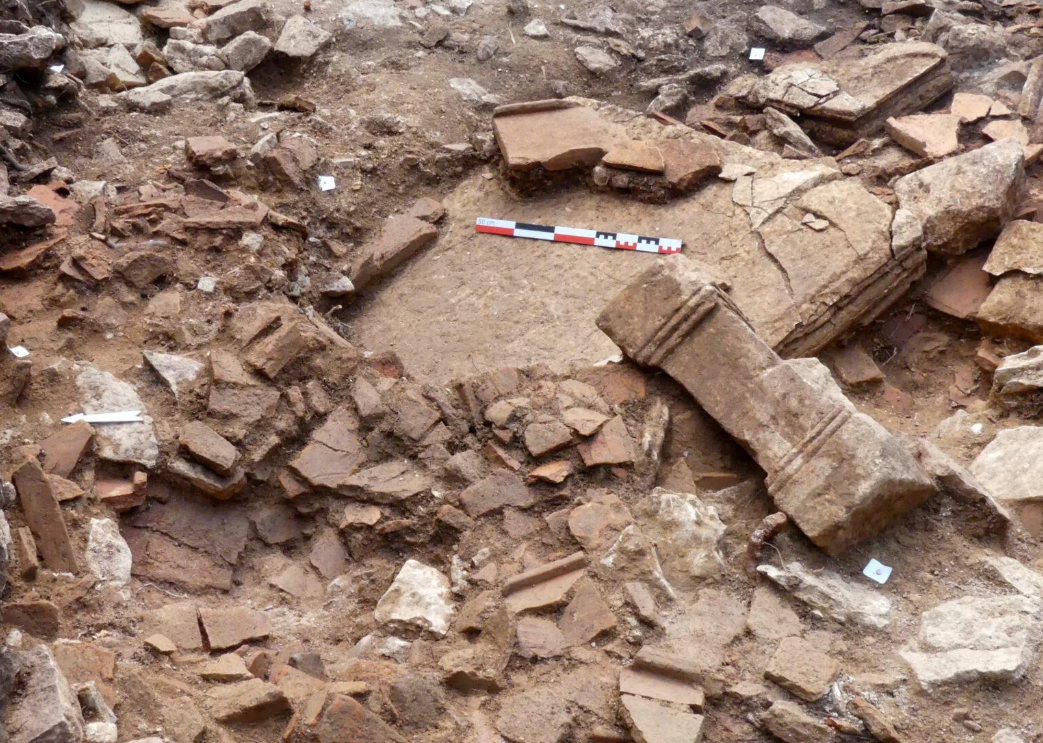
A remarkable archaeological discovery in eastern France is shedding new light on ancient Celtic religion and ritual practices. Archaeologists have uncovered what may be the first-ever painted depiction of the Celtic god Sucellus, found within a Gallo-Roman sanctuary dating back nearly 1,800 years.
This rare find offers an unprecedented glimpse into the spiritual life of ancient communities and challenges what scholars previously understood about Celtic religious art.
A Unique Discovery in a Sacred Landscape
The discovery was made at an ancient sanctuary located in Mancey, a hilltop site in the Burgundy region. This sacred complex was actively used for several centuries, from the late Iron Age through the Roman period.
Archaeologists identified the painted image on a small masonry altar inside a structure known as Temple M3. The sanctuary itself appears to have been a major religious center, featuring multiple buildings, ritual spaces, and gathering areas.
Unlike ordinary settlements, the site shows clear evidence of organized worship, including ceremonial pathways and designated sacred zones.
The God Sucellus: Symbol of Power and Abundance
Sucellus was one of the most important deities in ancient Gaul. He is typically depicted holding a long-handled hammer and a vessel such as a wine barrel—symbols associated with:
- fertility
- agriculture
- protection
- abundance
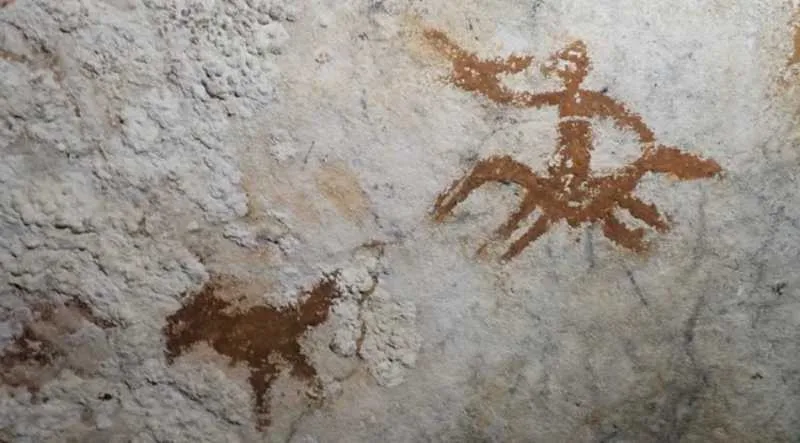
Although many stone carvings of Sucellus have been discovered across Europe, painted representations are extremely rare. In fact, this newly discovered image may be the only known painted depiction of the god.
This makes the find exceptionally important, as it provides new insights into how ancient people visually represented their gods.
The Painted Altar and Its Significance
The image of Sucellus was found on a plaster-covered altar block that still preserved traces of paint despite centuries of decay. The survival of pigment is extremely rare in archaeology, as colors tend to fade over time due to environmental exposure.
This painted representation allows researchers to study:
- ancient artistic techniques
- color symbolism
- religious iconography
Unlike stone sculptures, painted images can reveal details about clothing, tools, and symbolic elements that were previously unknown.
Evidence of Ritual Life and Offerings
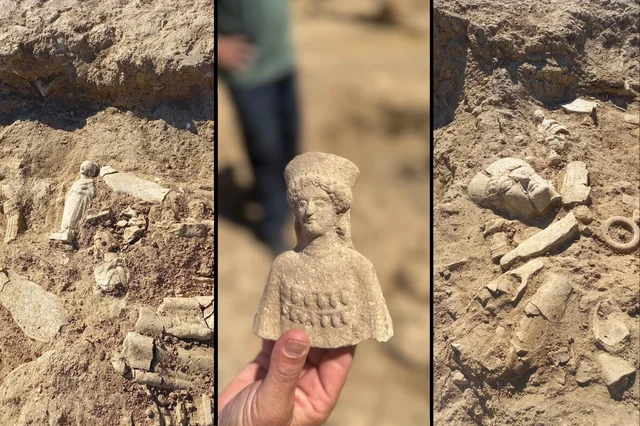
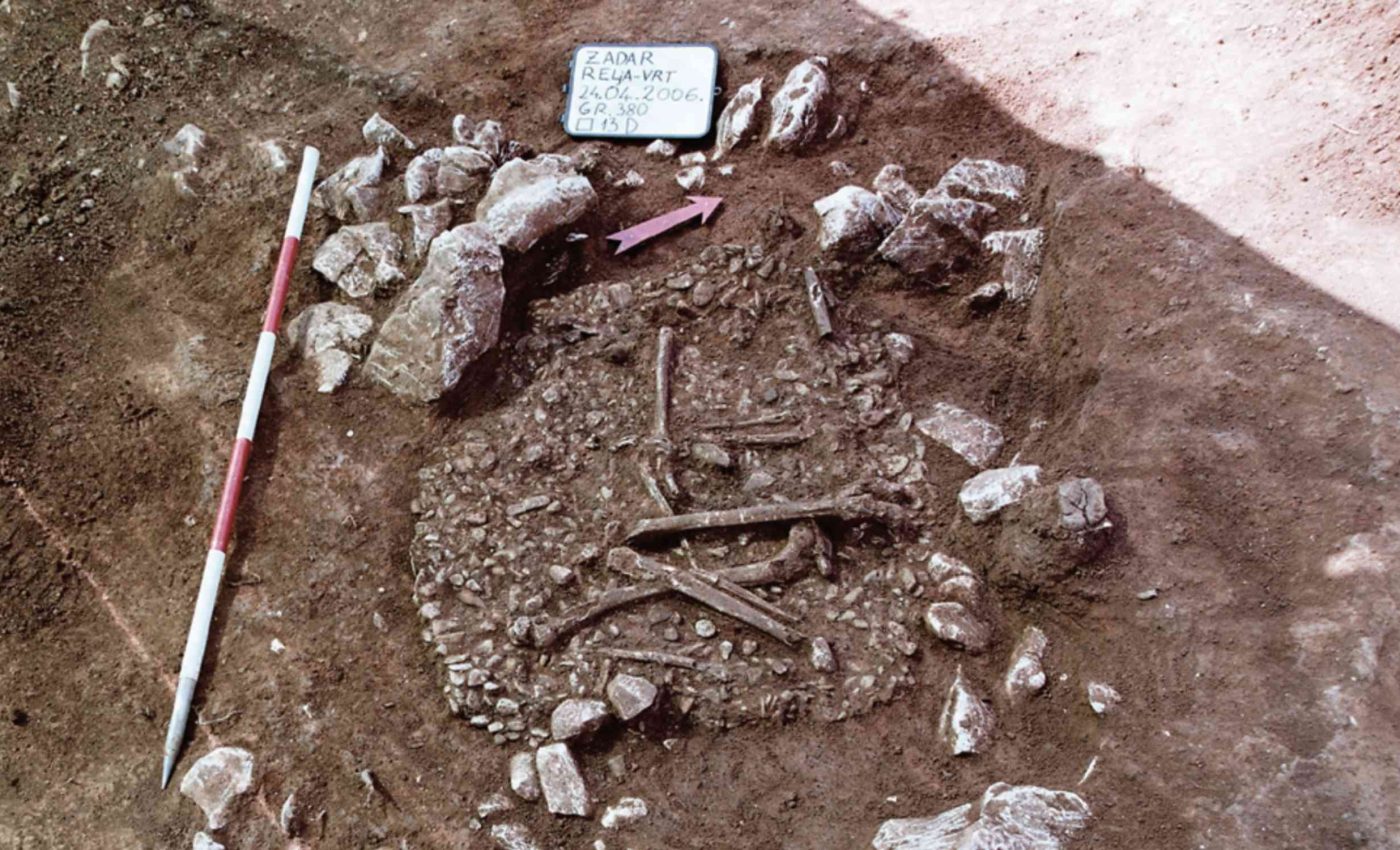
Excavations at the sanctuary uncovered thousands of artifacts that paint a vivid picture of ritual activity. Archaeologists found:
- animal bones (pigs, birds, fish)
- coins and jewelry
- pottery and drinking vessels
- ritual objects and figurines
These findings suggest that the site was used for ceremonial feasts and offerings, likely performed in honor of the gods.
The presence of high-quality items also indicates that the sanctuary may have attracted elite members of society.
A Sanctuary Used for Centuries
One of the most fascinating aspects of the site is its long period of use. The sanctuary remained active for several centuries, evolving over time with structural modifications and changing ritual practices.
Even after the temple fell into ruin during the late Roman period, people continued to visit the site and leave offerings.
This suggests a deep spiritual connection between the local population and the sacred landscape.
Why This Discovery Matters
The discovery of a painted image of Sucellus is significant for several reasons:
1. Rare Artistic Evidence
Painted representations from ancient Europe are extremely rare, especially in Celtic contexts.
2. New Insights into Celtic Religion
The find helps researchers better understand how gods were visualized and worshipped.
3. Cultural Continuity
The sanctuary shows a blend of Celtic and Roman influences, highlighting how traditions evolved over time.
Celtic Religion and Roman Influence
During the Roman period, many Celtic beliefs merged with Roman religious practices. This process, known as cultural syncretism, resulted in hybrid forms of worship.
At sites like Mancey, archaeologists can observe how local traditions were preserved while adapting to Roman influence. This makes the sanctuary an important case study in ancient cultural interaction.
The Future of Research
Excavations at the site are ongoing, and researchers believe that further discoveries may reveal even more about the role of Sucellus in ancient society.
Future studies may focus on:
- analyzing pigment composition
- reconstructing the full image
- understanding ritual practices in greater detail
Each new discovery has the potential to transform our understanding of ancient European religions.
Conclusion
The discovery of a rare painted image of the Celtic god Sucellus in an ancient French sanctuary is a groundbreaking moment in archaeology.
It not only provides a unique glimpse into the artistic and religious practices of the past but also highlights the complexity of cultural interactions in ancient Europe.
As excavations continue, this extraordinary find will undoubtedly remain a key piece in the puzzle of understanding Celtic civilization and its enduring legacy.
That’s incredible! It’s fascinating to think about how much we still don’t know about these ancient beliefs and rituals.